9 Kings Beginner’s Guide Best Starting King, Base Layout, and Early Strategy

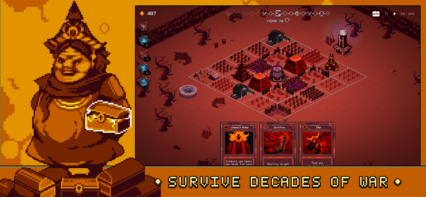
9 Kings is a fast-paced kingdom builder that mixes deckbuilding, auto-battler combat, tower defense, and city planning into short but highly replayable runs. On mobile, the game is currently in Google Play pre-registration, while the PC version is already available through Steam Early Access.
That mix can feel a little chaotic at first. You are placing units and buildings on a compact 3×3 grid, taking loot after each battle, and slowly building a deck that can snowball into something absurd. The good news is that 9 Kings gets much easier once you understand three things: where to place your key buildings, when to take duplicates, and how to build around support synergies instead of filling the board randomly.
What 9 Kings Actually Asks You to Do
At its core, 9 Kings is about building a kingdom on nine tiles and improving it over a run with new cards, upgrades, and enemy card pools. Different kings come with different unit and building styles, but your run is not limited to just your own faction. Since your rewards can also draw from the kings you are fighting, your deck becomes a mixed toolkit over time. That is what makes good runs feel powerful. You are not just building a faction deck. You are building a combo engine.

For beginners, that means you should not think in terms of “take only my king’s cards.” Instead, think in terms of “take whatever improves my board right now.” If a strange off-faction support card makes your best unit stronger, it is worth considering.
Best Starting King for Beginners
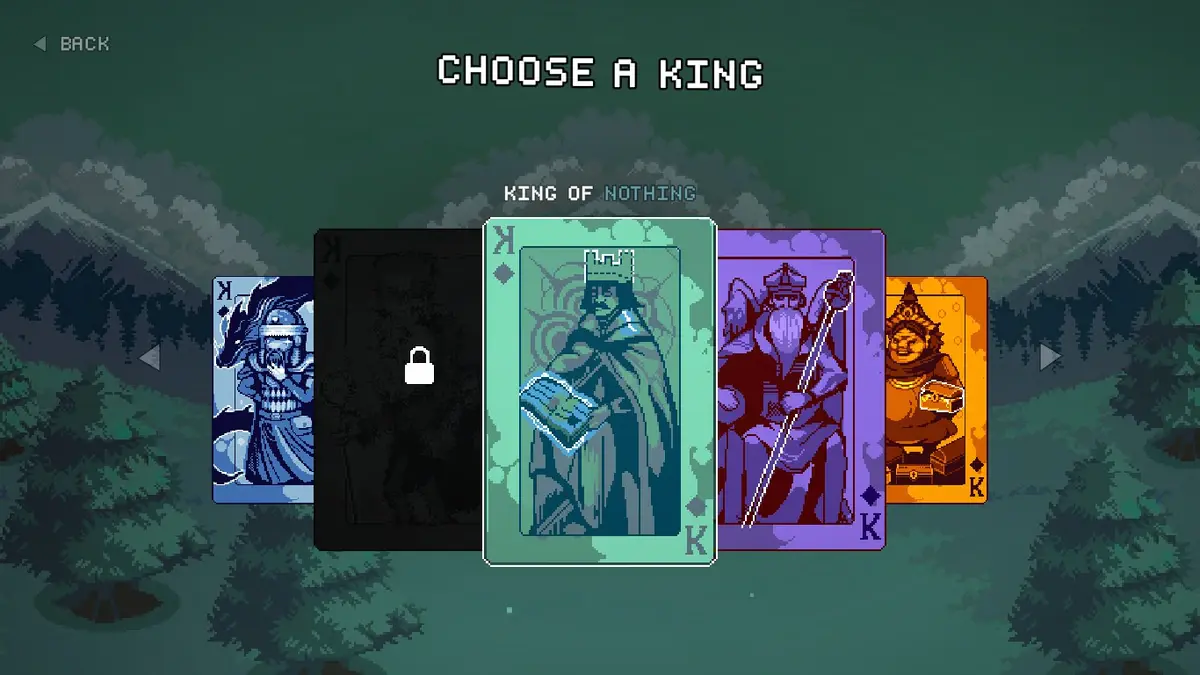
If you are just learning 9 Kings, King of Spells is the easiest starting ruler to understand. Multiple guides point to King of Spells as the most beginner-friendly option because the faction combines strong ranged pressure with reliable melee support, and its Citadel adds extra lightning-based damage that helps smooth out early fights.

The practical reason King of Spells works so well is that it teaches good habits. You can build around ranged units like Wizards and Warlocks, keep safer positioning, and still have enough damage to survive while learning the rest of the game. By contrast, King of Progress is commonly described as one of the harder rulers for new players because its mechanics are more unusual and its setup is less forgiving early on.
Your First Big Mistake: Bad Castle Placement
A lot of new players naturally want to place their castle in the middle of the grid. In 9 Kings, that is usually the wrong move. Your castle or main tower does not need central placement to function well, and putting it there blocks one of the most valuable spots on the board. Beginner guides consistently recommend placing the castle in a corner, usually top left or top right, so the center stays open for support structures and adjacency planning.

That center tile matters because many support cards buff the four cardinal directions around them. If you put a major support building in the middle, it can affect four plots. If you put the same building in a corner, it usually only affects two. That difference adds up quickly across an entire run.
Best Early Base Layout in 9 Kings
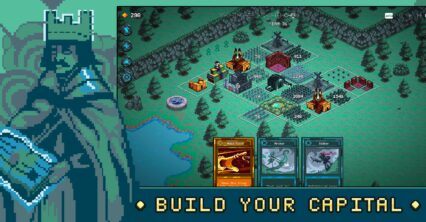
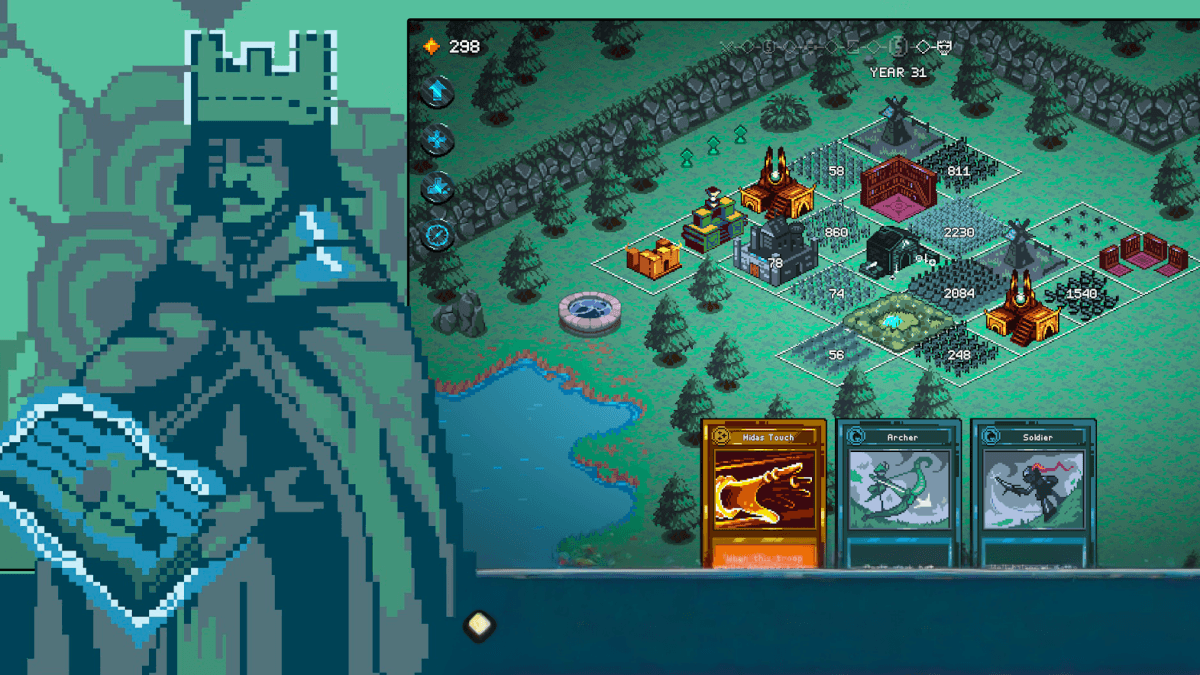
The simplest beginner layout is to anchor your castle in a corner, reserve the center for your best support building, and place your strongest units on the four tiles touching that center. The sample build order you shared follows exactly that logic: castle in the corner, support in the middle, then surround it with units and towers that actually benefit from the adjacency bonus.

A clean early pattern looks like this:
- Castle in a corner
- Main support building in the center
- Best units on the up, down, left, and right tiles around the center
- Secondary towers or utility buildings in the remaining corners
This setup is strong because it lets one support building carry multiple plots at once. It also keeps your kingdom organized, so later upgrades are easier to plan.
Why Duplicate Cards Matter So Much
One of the most important beginner lessons in 9 Kings is that leveling a plot is often better than placing a new weak one. Duplicate cards let you level existing plots, which improves stats and often increases the number of units on that tile. Several beginner guides stress that quality usually beats quantity, especially once buffs and upgrades start stacking.
That means you should not rush to fill every tile with random units. A smaller number of well-leveled, well-buffed plots can outperform a cluttered board. If you already have a strong core unit or tower, taking its duplicate is often the best reward on screen.
How to Think About Card Synergy
9 Kings rewards players who build around interactions, not just raw stats. Support cards, stacking yearly effects, and odd utility tools can become the backbone of a run if you place them early enough. The beginner sources you shared highlight cards like Procreate as outstanding in the early game, while broader strategy guides point out scaling cards like Mycelium because they keep building value over the course of the run.

The same idea applies to faction mixing. If you see a buff card that makes your top-performing unit much better, that can be stronger than a flashy new troop. Pay attention to what actually carried the previous battle. Then invest in that plot with upgrades, duplicates, or adjacency support.
Spend Gold and Reroll With Purpose
Do not hoard gold forever in 9 Kings. Shops are limited, and rerolls can save weak runs by helping you find duplicates, support pieces, or the one card your current board needs. The smart way to spend is not random reroll spam. It is targeted rerolling. Know what you are looking for before you spend.
If your board already has a clear carry, reroll for duplicates or support. If your board is missing structure, reroll for synergy. If your run is unstable, spend for immediate power instead of dreaming about a perfect late-game combo.
Beginner Tips That Will Save Early Runs
The fastest way to improve is to keep a few simple rules in mind. Place your castle in a corner. Leave the center open for your best adjacency support. Take duplicates for strong plots. Place scaling cards early. Do not be afraid to try weird cards once your core is stable. And do not treat every unit equally. Some tiles are there to carry. Others are there to buff the carriers.
9 Kings is one of those games where a run can suddenly become broken in the best way once your pieces start clicking together. That is the fun of it. You are not just surviving. You are trying to build something ridiculous before the enemy kings do.
If you plan to jump into 9 Kings when it lands on Android, playing it on BlueStacks will make long runs much easier to manage. A game built around careful placement, reading card text, and planning synergies feels especially comfortable on PC, where you can take your time, track your build clearly, and optimize each run with better visibility and controls.
9 Kings may look simple at first, but the real depth comes from how much you can do with just nine tiles. Start with a beginner-friendly king like King of Spells, keep your castle out of the center, build around adjacency bonuses, and prioritize strong duplicates over random expansion. Once those basics click, the rest of the game starts opening up in a big way.