A Webbing Journey Tips and Tricks
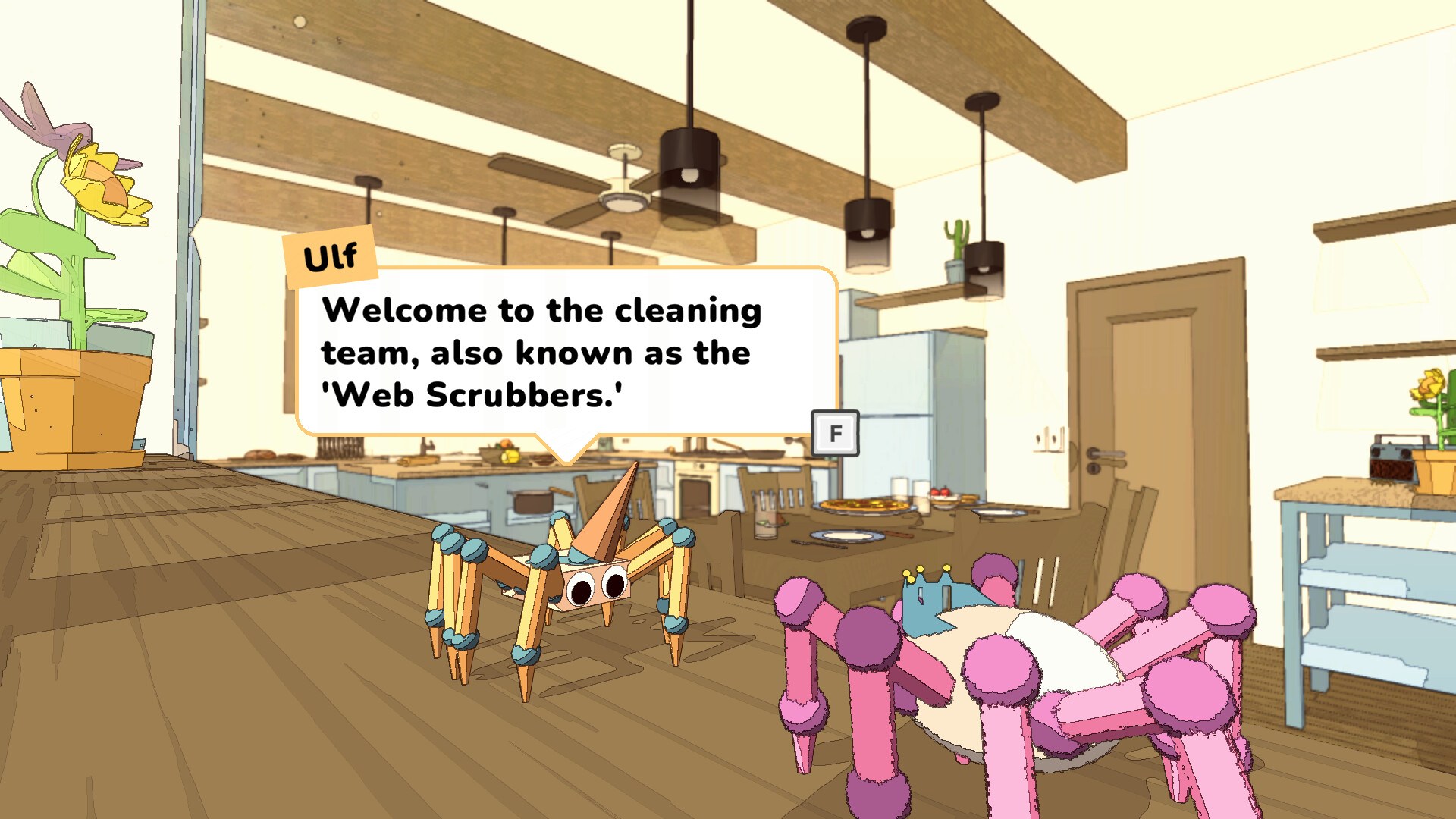

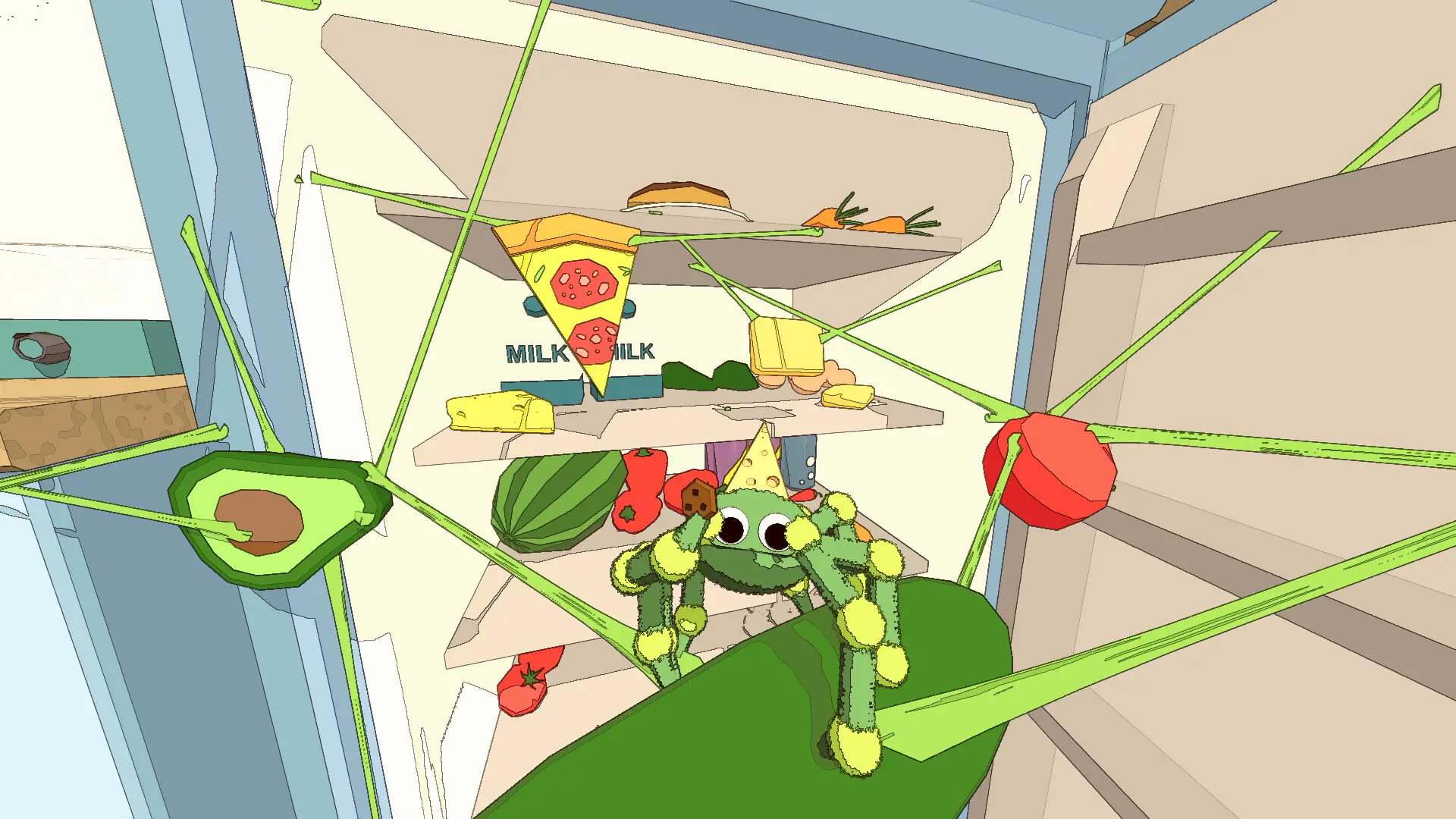
Embrace playing as Silky, a squirming spider that can shoot webs in A Webbing Journey. This game is a physics-based sandbox simulator that sees you gliding through the walls of a house and navigate through it to find food and other resources. Essentially, you role-play as a spider who’s looking to glide through webbing around. Sounds fun? It is! We are here to elevate your adventures by sharing some helpful A Webbing Journey tips and tricks. Let’s begin!
Tip #1. Play as a Spider
In A Webbing Journey, players are given a choice to either play as a spider or as a ball in the beginning. We recommend choosing the spider due to several reasons. First of all, the spider is much more mobile. You will not get blocked by other objects regularly when playing as a spider. Next, the movement controls of the spider are much more elaborate and smoother. You can try playing as a ball once you have completed the spider’s adventures and gotten a hang of the game.

Tip #2. Follow the Anchor Points when Confused
When you’re staring up at a massive room, it’s hard to know where to start. The developers have given you a subtle helping hand: Yellow-highlighted objects. These aren’t just for show as these are your most reliable anchor points.

Whether it’s a cabinet handle, a shelf edge, or a specific piece of hardware, these yellow markers are guaranteed to support your webs. If you find yourself stuck or unable to reach a higher level, look around for the nearest yellow object. Using these as the “skeleton” of your web structures will save you a lot of frustration and provide the stability you need to cross large gaps.
Tip #3. Choose the Right Webs!
It’s easy to think of all webs as the same, but in this journey, your silk has two distinct modes: Traversal and Swinging.
- Traversal Webs: Think of these as your highways. They create a solid, stable bridge between two points that you can walk across with total control. Use these when you need precision.
- Swing Webs: These are for the thrill-seekers. Use them to catch momentum and fling yourself across spaces that are too wide for a simple bridge.

Tip #4. You can Delete Wrongly Placed Webs!
There is no such thing as a wrong web in this game because you can always take it down. One of the best ways to learn is through experimentation and deletion. If your web path looks like a tangled mess or it’s blocking your way, just delete it and try a different angle. The game encourages you to refine your work. If you’re ever feeling lost, check your Task List. It’s a great way to see which mechanics the game thinks you should be using in your current area. If you haven’t mastered a specific task yet, that’s your hint to clear your current webs and try a new approach.

Tip #5. Build Rest Spots to Sit on!
As the environments get bigger, a single line of silk won’t always cut it. You’ll need to start building Structural Webs. This means creating a network of silk rather than just one-off lines. By attaching a central anchor and then branching out multiple strands to different surfaces, you create a makeshift platform. This allows you to stop, rest, and re-orient yourself in the middle of a vertical climb. Building these rest stops is essential for the more complex puzzles found in the later areas of the Hub.
Players can enjoy playing A Webbing Journey on a bigger screen of their PC or Laptop via BlueStacks along with your keyboard and mouse.