Foundation: Galactic Frontier Beginner’s Guide – How to Get Started in the Galaxy

Foundation: Galactic Frontier drops you into a collapsing galaxy where trade, combat, and political choices all collide. Instead of pushing you into a single role, the game lets you grow as a trader, bounty hunter, fleet commander, or all three at once. This beginner’s guide breaks down the core systems you’ll interact with early on in this strategy game, so you can understand how everything fits together before the galaxy opens up in full.
Understanding Your Role in the Galaxy
At its core, Foundation: Galactic Frontier is built around player choice. You are not locked into a single class or path. Early missions introduce you as an interstellar operator navigating between the remains of the Empire, the Foundation, and emerging factions. Story events unfold through cinematic scenes, and your dialogue and decisions influence how characters and factions respond to you later.

As a beginner, the most important thing to understand is that progression is layered. Narrative advancement, ship growth, crew strength, and economic power all advance together. Ignoring one system tends to slow the others down, so learning how they connect early on helps avoid unnecessary roadblocks.
Your Mothership and Ship Construction Basics
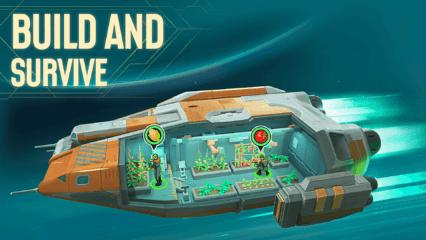
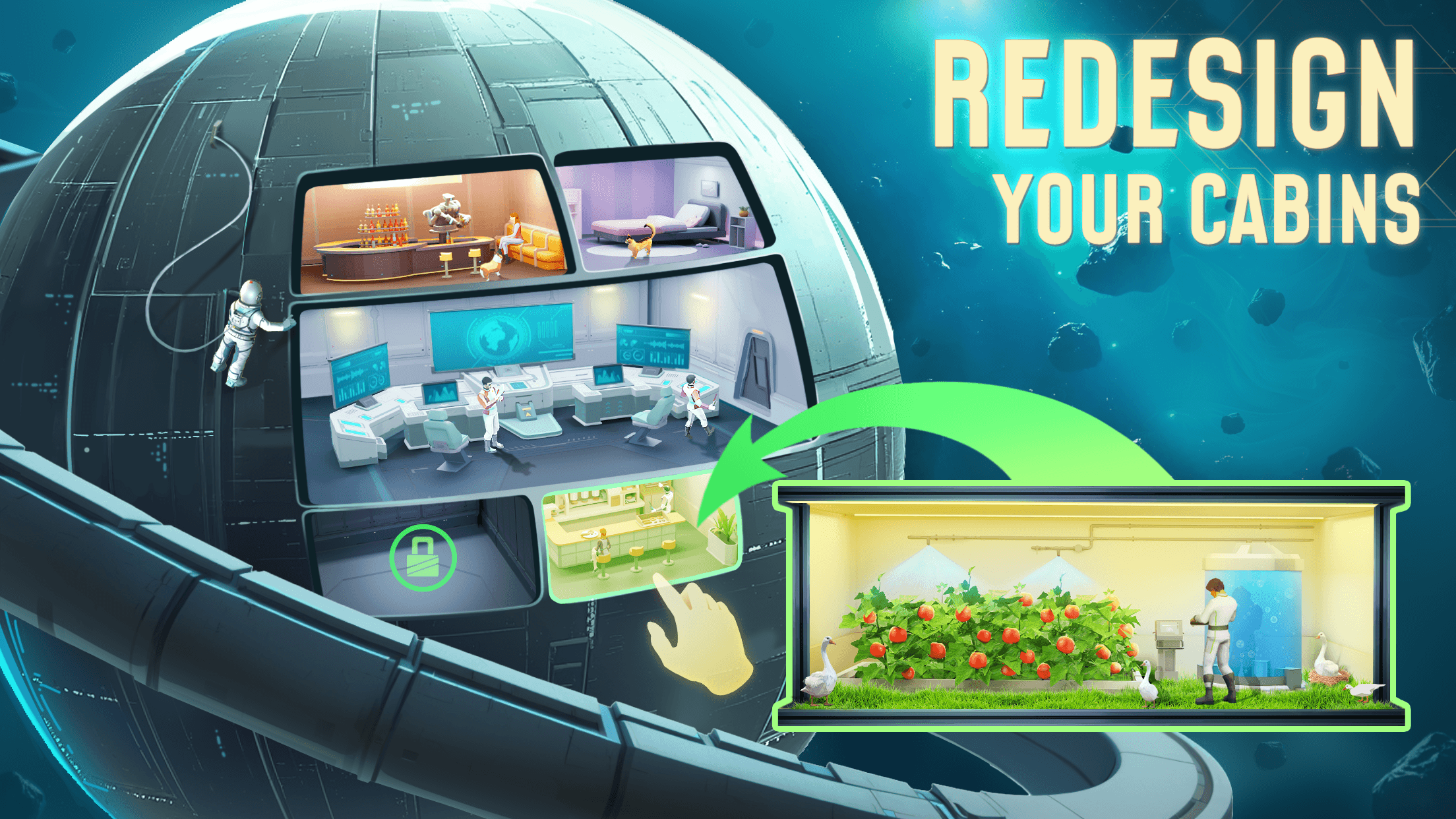
Your ship functions as both your home base and your most important progression hub. Early on, you’ll unlock the ability to construct functional cabins rather than cosmetic rooms. These include food production areas, oxygen farms, water recyclers, and basic support modules that keep your crew alive and operational.

As you expand your ship, you’ll also gain access to combat-focused installations like cannons and defensive systems. Beginners should focus first on survival infrastructure before worrying about firepower. A stable ship keeps your crew effective and prevents interruptions caused by emergencies, which become more common as you travel farther from safe zones.
The ship is also where character interactions take place. Daily interactions with crew members are more than flavor; they reinforce morale and help solidify long-term efficiency as your team grows.
Crew Recruitment and Management
Throughout exploration and story progression, you’ll encounter recruitable characters with wildly different backgrounds. These range from experienced space mercenaries to unconventional companions like robots or outlaws. Each crew member brings specific strengths that affect combat teams, ship performance, or fleet management.

As a beginner, your goal isn’t to min-max combinations but to build a balanced roster. Pay attention to how crew members complement each other, especially when assigning them to landing teams or ship roles. Crew synergy becomes increasingly important later, but early familiarity with each character’s role makes future decisions much easier.
Exploration and Landing Combat Explained
Exploration is split between space navigation and planetary landings. While traveling through the galaxy, you’ll discover ruins, planets, and trade opportunities. Some locations trigger landing missions, which shift gameplay into squad-based shooter combat.

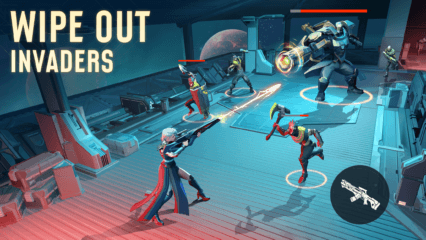
Landing missions use three-hero strike teams, allowing you to mix abilities and tactics. Combat emphasizes positioning, timing, and team composition rather than brute force alone. Early missions are forgiving, but they exist to teach you how heroes interact under pressure. Learning enemy patterns and switching characters strategically is more important than rushing damage.
Fleet Building and Galactic Warfare
Beyond personal combat, Foundation: Galactic Frontier gradually introduces fleet mechanics. You’ll begin constructing additional combat crafts that protect trade routes or engage rival factions. These systems expand the game into RTS-style territory, where positioning, production, and alliances matter.

For beginners, fleet combat isn’t about domination yet. Early fleet interactions teach you how trade routes generate value and why defending them matters. Joining alliances later amplifies this system, but understanding its basics early prevents costly mistakes as galactic conflicts escalate.
Progression and Pace for New Players
One of the defining traits of Foundation: Galactic Frontier is its flexible pacing. You’re encouraged to progress at your own speed without constant pressure from leaderboards or forced competition. This makes it ideal for players who enjoy narrative-driven progression mixed with long-term strategic planning.
As a beginner, focus on following story prompts, expanding your ship responsibly, and experimenting with crew combinations. The game gradually unlocks deeper systems once you’re ready, rather than overwhelming you upfront.

Foundation: Galactic Frontier offers a layered sci-fi experience that blends storytelling, ship management, exploration, and tactical combat. Understanding the basics early allows you to enjoy that freedom instead of fighting against unfamiliar systems.
For the smoothest experience, consider playing Foundation: Galactic Frontier on BlueStacks. With keyboard and mouse support, improved performance, and a larger screen, BlueStacks makes managing your ship, crew, and battles far more comfortable — especially as the galaxy grows more complex.
Take your time, explore thoughtfully, and start building your legend among the stars.