Foundation: Galactic Frontier Progression Guide – How to Grow Faster and Build a Strong Start

Foundation: Galactic Frontier blends narrative-driven progression with base management, hero collection, and multiple combat modes. While this strategy game eases players in through its early chapters, long-term progression depends on understanding how its interconnected systems work together. This guide focuses on helping new players progress efficiently by explaining what to prioritize early, how progression gates function, and where most players tend to slow themselves down unintentionally.
Follow the Story First
Early progression in Foundation: Galactic Frontier is tightly tied to the main story. Advancing through chapters unlocks core systems such as fleet combat, recruitment, additional ship modules, and economic features tied to your mothership. Skipping or delaying story objectives often results in stalled progression, not because your power is too low, but because key mechanics simply aren’t available yet.

Story missions also serve as a guided tutorial for several systems at once. Landing combat introduces hero synergy, mothership construction introduces resource loops, and early faction interactions establish how reputation and trade routes will later affect your income and combat readiness. For new players, consistently pushing the main quest should be the default goal whenever it’s available.
Progressing Your Mothership
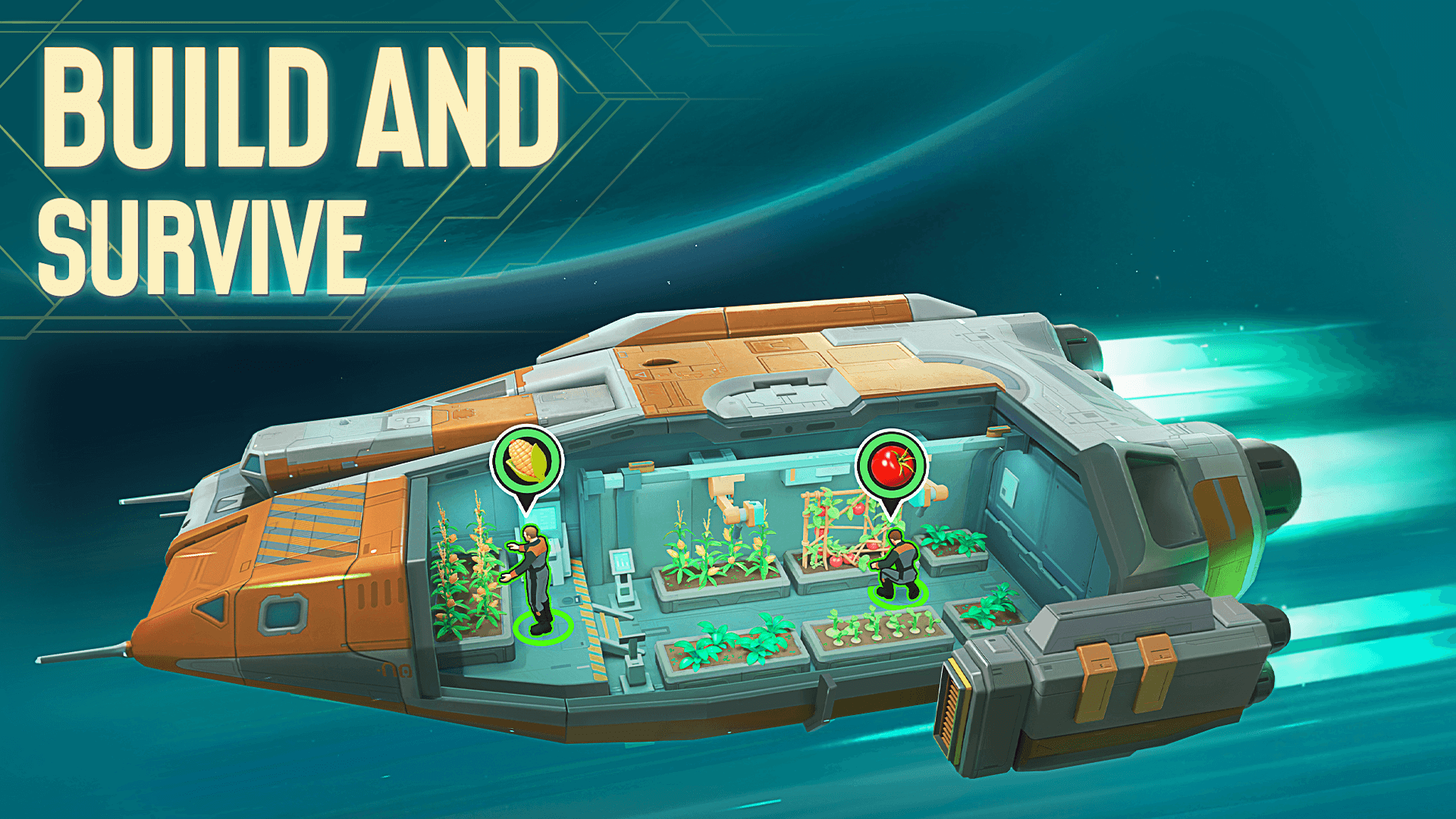
Your mothership is the backbone of progression. Nearly every system feeds into it or is unlocked through it, from recruitment halls to resource generators and combat facilities. Early on, it’s important to view the ship not just as a hub, but as a long-term investment that determines how quickly you can grow.

Ship construction tends to introduce soft bottlenecks. Certain cabins require story progress, while others depend on specific resources that are limited early on. Rather than trying to build everything at once, focus on modules that directly support progression, such as those tied to crew management, recruitment, and basic resource generation. Decorative or secondary upgrades can wait until your economy stabilizes.
Building Your Crew and Champions
Champions in Foundation: Galactic Frontier fill multiple roles, from landing combat to fleet support and story encounters. Early recruitment is intentionally generous, but upgrading every unit equally is a common mistake. Progression favors focused investment rather than wide distribution.

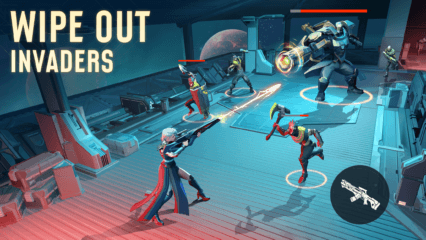
Landing missions rely on three-hero teams, making synergy more important than raw rarity early on. A balanced squad with survivability, damage, and utility will outperform an under-leveled Legendary champion paired with neglected teammates. As progression continues, the game naturally encourages specialization, but early efficiency comes from restraint.
It’s also worth remembering that hero acquisition is a long-term system. Between guaranteed Epic or Legendary thresholds and multiple sources of recruitment currency, there’s no need to rush or overextend resources chasing specific characters early.
Combat Progression: Landing Battles vs Fleet Warfare
Foundation: Galactic Frontier separates combat into two main experiences: landing missions and fleet-based RTS-style conflicts. Both contribute to progression, but they scale differently.

Landing battles are more immediately impactful early on. They reward story advancement, gear, and hero experience, making them essential for steady growth. Fleet combat, while important, often scales more heavily with ship upgrades and economic strength. New players should treat fleet warfare as a system to unlock and learn gradually rather than a primary early-game focus.
When progression slows, it’s often because one combat system has outpaced the other. Strong heroes with an underdeveloped fleet, or vice versa, can create uneven progression. Keeping both systems advancing at a similar pace helps avoid hard walls later.
Core Resources and What They’re Used For
Resource management is where many players either accelerate or stall their progress. Each resource serves a specific purpose, and overspending early can slow long-term growth.

The main resources you’ll interact with are:
- Food: Used to sustain your crew and support long-duration activities. Food shortages can slow ship operations and limit progression during extended sessions.
- Water: Required for life-support systems and certain flagship modules. Like food, it supports ship stability rather than direct combat power.
- Metal: A core construction material used for upgrading ship modules, crafting combat crafts, and expanding your flagship’s infrastructure.
- Coins: The most common currency, primarily earned through missions, trade routes, and basic activities. Coins are used for routine upgrades and general progression.
- Credits: A more premium progression currency used for higher-tier upgrades, advanced systems, and select shop purchases.
Balancing these resources is more important than maximizing any single one. Over-investing in upgrades that drain metal or credits too early can leave you unable to progress when new systems unlock.
Events and Time-Limited Activities
Events are designed to supplement your main progression rather than replace it. They reward resources, upgrade materials, and sometimes exclusive items that help smooth out progression spikes.

Some of the core events you’ll encounter include:
- Ruins Excavation
- Trade Route Events
- Alliance Operations
- Combat Drills
- Limited-Time Seasonal Events
These activities are best treated as optional boosts. Participate when available, but don’t neglect story progression just to chase event rewards.
Recommended Progression Path for New Players
While Foundation: Galactic Frontier offers a lot of freedom, following a loose priority order helps ensure steady growth without hitting unnecessary walls. Early progression is less about optimization and more about unlocking systems in the right sequence.

A solid early progression approach looks like this:
- Focus on story missions first, as they unlock critical features like recruitment, ship modules, and new game modes.
- Upgrade essential flagship systems, especially modules like the Food Processing Room or the Crew Cabin, and other core infrastructure that improve resource generation or build times.
- Recruit and level a balanced core team rather than spreading resources across too many champions.
- Expand basic trade routes once available to stabilize coin and material income.
- Participate in events when convenient, using them to supplement—not replace—your main progression flow.
This approach keeps your account flexible and avoids resource starvation later on when progression systems become more demanding.
Foundation: Galactic Frontier offers a layered progression system that becomes more rewarding the better you understand its structure. With the right early priorities, the game’s mix of story, strategy, and combat unfolds naturally without unnecessary grind.
For players who want smoother controls, better performance during landing battles, and easier multitasking while managing ship systems, playing Foundation: Galactic Frontier on BlueStacks provides a more comfortable and efficient way to progress through the galaxy.