Last Day on Earth Survival Gameplay Tips Guide for Faster Progression
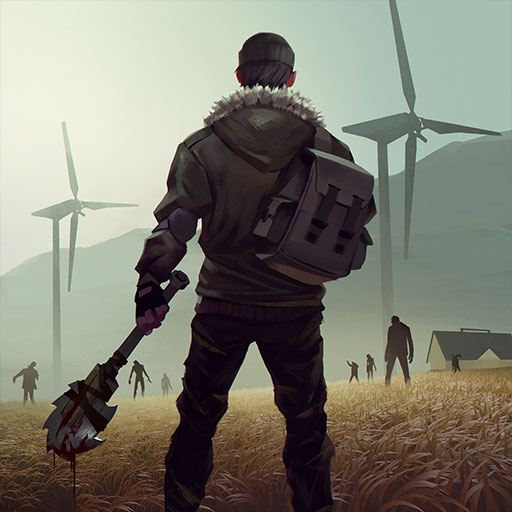
Last Day on Earth: Survival drops you into a brutal post-apocalyptic world where survival depends on planning, patience, and smart decision-making. This isn’t the kind of survival game where you can rush through everything. Resources are limited, enemies hit hard, and one careless mistake can cost valuable gear. For new players, the game can feel punishing at first. Between base building, crafting, exploration, and fighting off zombies, there’s a lot to manage. The good news is that once you understand the core systems, progression becomes much smoother.
This guide covers practical gameplay tips that will help you survive longer, gather resources efficiently, and build a stronger foundation.
Prioritize Resource Gathering Early
Your first few days should focus almost entirely on collecting resources. Wood, stone, plant fibers, and scrap materials are the backbone of early survival. Without them, you won’t be able to build shelter, craft tools, or create basic defenses. Avoid rushing into dangerous zones too soon. Safer areas provide enough materials to build your first base and stock up on essentials. It may feel slow, but building strong fundamentals saves you from bigger problems later.

Build Your Base with Defense in Mind
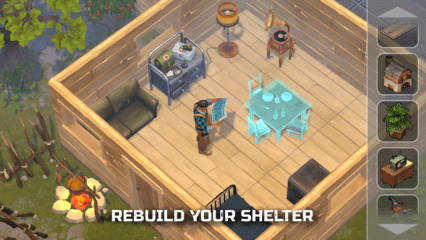
A lot of beginners build randomly and regret it later. Your base should be designed for both storage and protection. Start simple, but think ahead about where walls, chests, crafting stations, and defensive layers will go.
As raider threats increase, stronger walls become essential. Upgrading your shelter gradually is much better than scrambling to fix poor planning later. Treat your base as your lifeline, not just a place to dump loot.
Never Waste Valuable Weapons
One of the biggest beginner mistakes is using strong weapons on weak enemies. Save firearms and high-damage melee weapons for difficult areas like bunkers, event zones, or emergency situations. For regular zombie farming, basic melee weapons work perfectly fine.
Managing durability is just as important as managing resources. Every wasted weapon slows your progression.

Learn Enemy Patterns Before Fighting
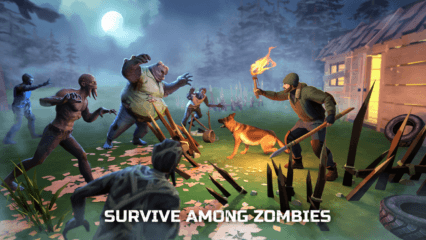
Not every zombie should be approached the same way. Some are slow and easy to kite, while others hit hard or attack in groups. Rushing into combat without understanding enemy behavior usually leads to unnecessary damage and wasted healing items. Take a few seconds to observe before engaging. Sometimes avoiding a fight is smarter than forcing one.

Use Sneak Attacks Whenever Possible
Stealth is one of the strongest mechanics in early and mid-game progression. Approaching enemies while crouched lets you land powerful sneak attacks, often killing weaker zombies instantly or heavily damaging stronger ones. This saves weapon durability and reduces the need for healing items. Over time, using stealth consistently makes a huge difference.

Manage Hunger and Thirst Constantly
Survival isn’t just about zombies. Your hunger and thirst meters drain quickly, especially during long farming sessions. Running out at the wrong time can leave you vulnerable when exploring dangerous areas. Always carry food and water before leaving your base. Keeping these meters stable should become second nature.

Don’t Ignore Daily Events
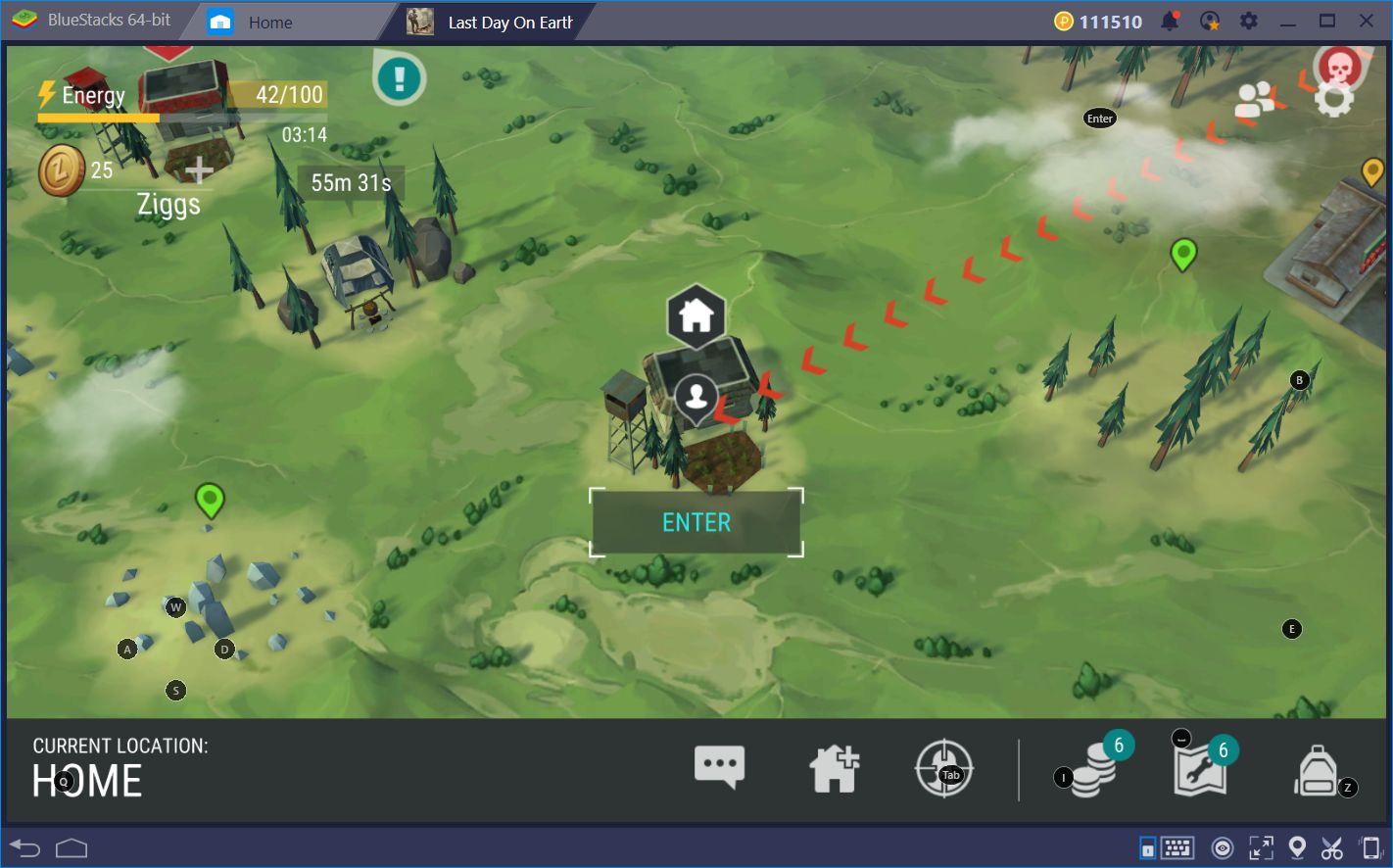
Events are one of the fastest ways to progress. Temporary zones often offer rare loot, valuable materials, and stronger gear than standard farming locations. Even if some events seem risky, they’re worth learning because they accelerate progression significantly. Check the world map regularly so you don’t miss opportunities.
Upgrade Crafting Stations Early
Many players focus too much on combat and forget about crafting progression. Workbench upgrades unlock stronger gear, better healing items, and advanced survival tools. These upgrades directly impact your ability to explore tougher areas. Investing here makes everything else easier.
Be Patient with Vehicle Progression
Unlocking vehicles like the Chopper feels like a major goal—and it is—but rushing for it can be frustrating.
Vehicle parts are often rare, and forcing progress here can drain resources unnecessarily. Focus on overall account growth first, and vehicle progress will come naturally over time. Think of it as a long-term milestone, not an early objective.
Explore Dangerous Areas Only When Prepared
Places like bunkers and high-threat zones contain some of the best loot in the game. They also punish unprepared players hard. Before entering, make sure you have enough healing items, durable armor, backup weapons, and a clear plan. Walking in underprepared often leads to losing everything. Preparation is survival.
Play Smart, Not Fast
Last Day on Earth rewards patience far more than aggression. The players who progress fastest are usually the ones who conserve resources, plan routes, and avoid unnecessary risks. Rushing rarely pays off. Slow, steady progress always beats reckless grinding.
Conclusion
Last Day on Earth: Survival is a survival game built around smart choices. Success doesn’t come from brute force, it comes from preparation, efficiency, and understanding when to push forward or hold back. If you focus on strong resource management, careful exploration, and gradual progression, survival becomes much less stressful and far more rewarding. Stay patient, keep upgrading, and most importantly, don’t waste your best gear on basic zombies. For the best gaming experience, play Last Day on Earth: Survival on BlueStacks!