Loop Hero Beginner’s Guide - How the Gameplay Loop Works and How to Get Started

Loop Hero is a game that looks simple at first glance but quickly reveals a surprising amount of depth. Instead of directly controlling your hero, you guide their journey indirectly by shaping the world around them, managing their gear, and building long-term progression through a growing camp. This beginner’s guide is designed to help new players understand Loop Hero’s core systems and mechanics, so you can start playing with confidence instead of feeling overwhelmed.
In this guide, we’ll break down how the gameplay loop works, how cards and equipment function, and how progression carries over between runs. We’ll also explain why playing Loop Hero on PC with BlueStacks can make learning and managing these systems much more comfortable.
Understanding the Core Gameplay Loop
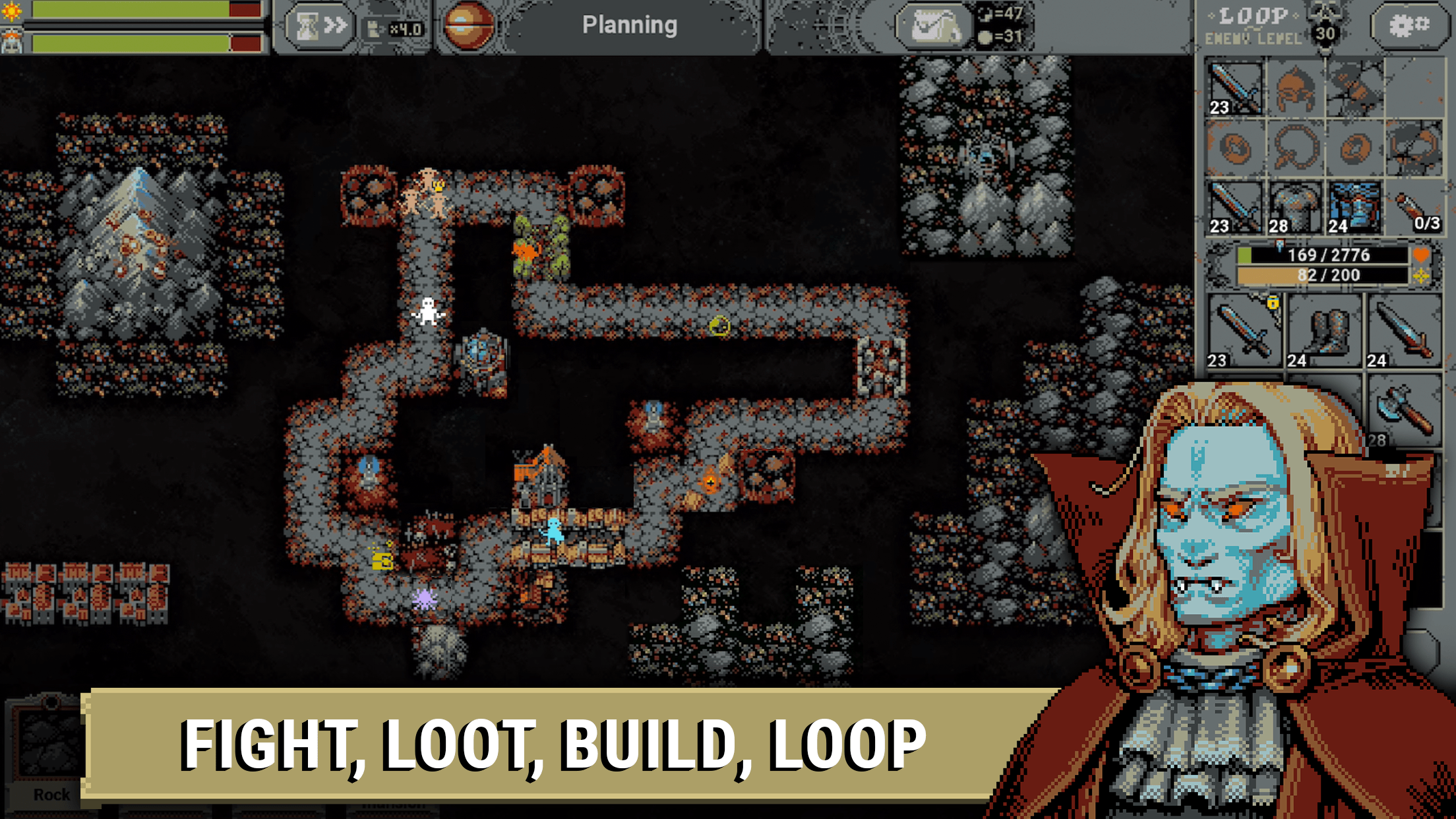
At the heart of Loop Hero is a repeating cycle, both literally and mechanically. Each expedition sends your hero walking automatically along a circular path, fighting enemies whenever they encounter them. You don’t control movement or combat directly. Instead, your role is to manage what happens around the hero while the loop unfolds.

As the hero defeats enemies, they drop three key things: equipment, cards, and resources. Equipment strengthens the hero during that run, cards let you modify the world, and resources are taken back to camp to unlock permanent upgrades. This constant flow between fighting, placing cards, and upgrading your camp is the foundation of Loop Hero’s progression.
The challenge comes from balance. Adding more enemies increases difficulty but also improves rewards. Staying too safe slows progression, while being too aggressive can quickly lead to defeat.
Your Three Roles in Loop Hero
Even though the hero acts on their own, you’re constantly making important decisions. These decisions fall into three interconnected roles.
- First, you act as the outfitter. During a run, equipment drops frequently, and your job is to compare stats and decide what to equip. Bigger numbers often help, but certain stats can be more valuable depending on your build and situation.
- Second, you are the world-builder. Cards allow you to place terrain tiles, structures, and enemy spawners on the map. These placements shape how dangerous the loop becomes and what kinds of rewards you can earn.
- Finally, you are the city planner. Between runs, resources collected during expeditions are used to build and upgrade structures at camp. These buildings unlock new mechanics, cards, and classes, shaping how future runs play out.

Progress in Loop Hero comes from keeping these three roles in harmony.
Cards, Tiles, and World Building
Cards are one of Loop Hero’s defining mechanics. They let you actively shape the map by placing tiles either on the path, next to it, or in the surrounding void. Terrain cards like meadows, rocks, and mountains provide passive benefits such as healing or increased maximum health. Enemy-generating cards add new threats to the path, increasing both difficulty and reward potential.

What makes this system interesting is how tiles interact with each other. Certain placements create stronger versions of tiles, while others can introduce unexpected challenges. Because of this, placing every card immediately is rarely a good idea. Holding onto cards and spacing out enemy spawns helps prevent the hero from becoming overwhelmed as loops grow longer and more dangerous.
Equipment and Stat Synergies
Equipment drops constantly during expeditions, and managing it effectively is essential. Each piece of gear comes with stats that influence survivability and damage output. While higher-level gear often looks better, the stat combinations matter just as much.

Some builds focus on evasion to avoid damage, while others rely on regeneration or counter-based effects. Certain stats sound powerful but may not always deliver consistent results, especially early on. Learning how different stats work together helps you survive longer runs and makes it easier to judge whether a new piece of gear is actually an upgrade.
Inventory space is limited, so rearranging items to avoid losing valuable equipment is another important habit to develop early.
The Day Cycle and Enemy Scaling
Loop Hero uses a day system that quietly controls many aspects of gameplay. A day passes when the day meter fills, and various effects trigger at the start of each new day. Healing tiles activate, and many enemy-spawning tiles generate new monsters based on how many days have passed.

As loops take longer due to increased combat, more days pass before the hero returns to camp. This means certain tiles can become significantly more dangerous over time, simply because they’ve had more opportunities to spawn enemies. Understanding this system helps explain why some runs suddenly become overwhelming even if you haven’t placed many new cards.
Retreating, Dying, and Resource Management
Every expedition eventually ends, either by retreating or by death. How you leave a run has a major impact on long-term progression. Retreating at the campfire tile lets you keep all collected resources, while retreating elsewhere reduces what you bring back. Dying results in the biggest loss.
Because camp upgrades are critical to unlocking new systems and classes, it’s often better to retreat early and safely rather than push too far and risk losing progress. Loop Hero rewards cautious, planned growth just as much as bold experimentation.
Camp Buildings and Early Progression
The camp is where permanent progression happens. Buildings constructed here unlock new cards, mechanics, and hero classes. Early structures that improve survivability are especially important, as they make future runs more forgiving.

Some buildings provide healing bonuses, while others unlock new gameplay systems that deepen customization. Over time, expanding the camp becomes just as important as surviving longer loops, since many advanced options are tied directly to camp development.
Playing Loop Hero on PC with BlueStacks
Loop Hero’s constant decision-making benefits greatly from a larger screen and precise controls. Playing on PC with BlueStacks makes it easier to manage equipment, place cards accurately, and monitor the map as it fills with enemies and effects. The clearer overview helps new players understand how systems interact without feeling rushed or cramped by a small mobile display.
Loop Hero is a game about indirect control, careful planning, and learning through repetition. By understanding how loops work, how cards shape the world, and how camp upgrades drive long-term progression, new players can approach the game with confidence instead of confusion. If you want the smoothest experience while learning these systems, playing Loop Hero on PC with BlueStacks gives you the clarity and control needed to fully enjoy its unique design.