Angry Birds Friends Beginner’s Guide: How to Start Strong and Score Higher
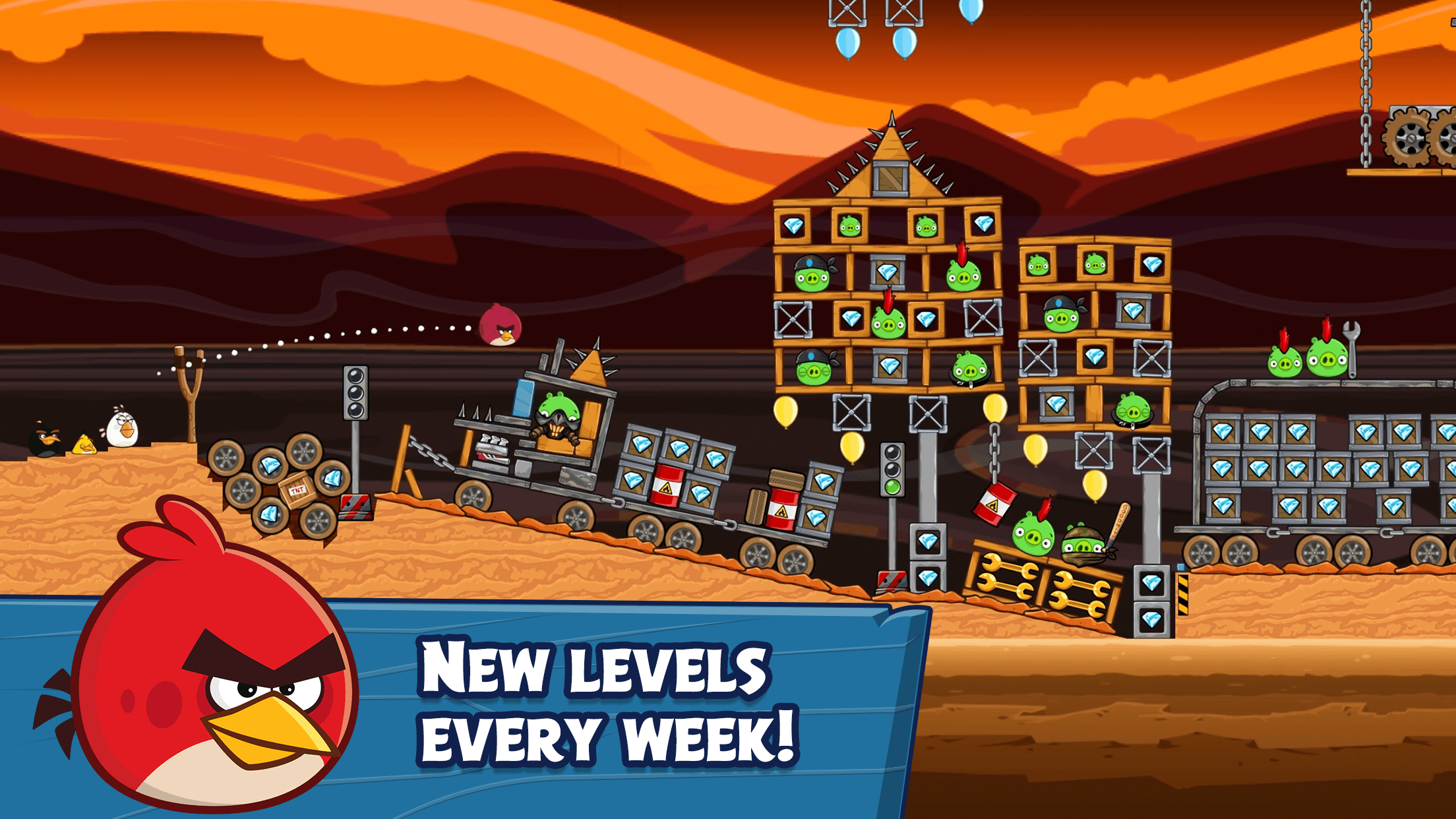
Angry Birds Friends keeps the core slingshot gameplay that made the original Angry Birds so popular, but adds a more competitive structure built around tournaments, rankings, and power-ups. If you have played classic Angry Birds before, the basics will feel familiar right away. You still launch birds at pig-built structures, try to clear stages efficiently, and aim for the highest score possible.
What makes Angry Birds Friends different is how much it leans into weekly competition and score improvement. Instead of simply clearing levels and moving on, you are often replaying stages to earn better results, win stars, and climb tournament leaderboards. That means beginners need to understand not just how to beat a level, but how to play efficiently. This guide covers the basics of Angry Birds Friends, including how the game works, what resources matter most, and how new players can improve quickly.
How Angry Birds Friends Works
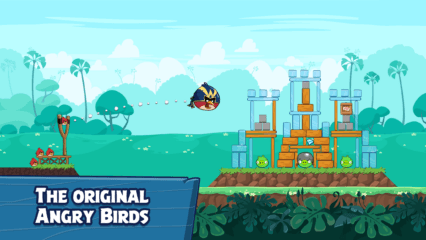
At its core, Angry Birds Friends follows the same formula as classic Angry Birds. You pull back the slingshot, launch birds at structures, and try to eliminate all pigs in as few shots as possible. Every bird has different strengths, and learning how each one behaves is a major part of getting better.

The main difference is that Angry Birds Friends places a big focus on social and competitive features. Levels are often tied to tournaments, and your score matters just as much as whether you finish the stage. You are not only trying to clear a level. You are also trying to do it in the most efficient way possible so you can earn more stars and rank higher against other players.
Because of that, Angry Birds Friends rewards patience and replaying. A messy clear might be enough to finish a level, but a cleaner run with fewer birds used will usually score much higher.
Learn What Each Bird Does
One of the first things every beginner should do in Angry Birds Friends is learn the role of each bird. Even though the game is simple on the surface, success depends heavily on using the right bird at the right moment.
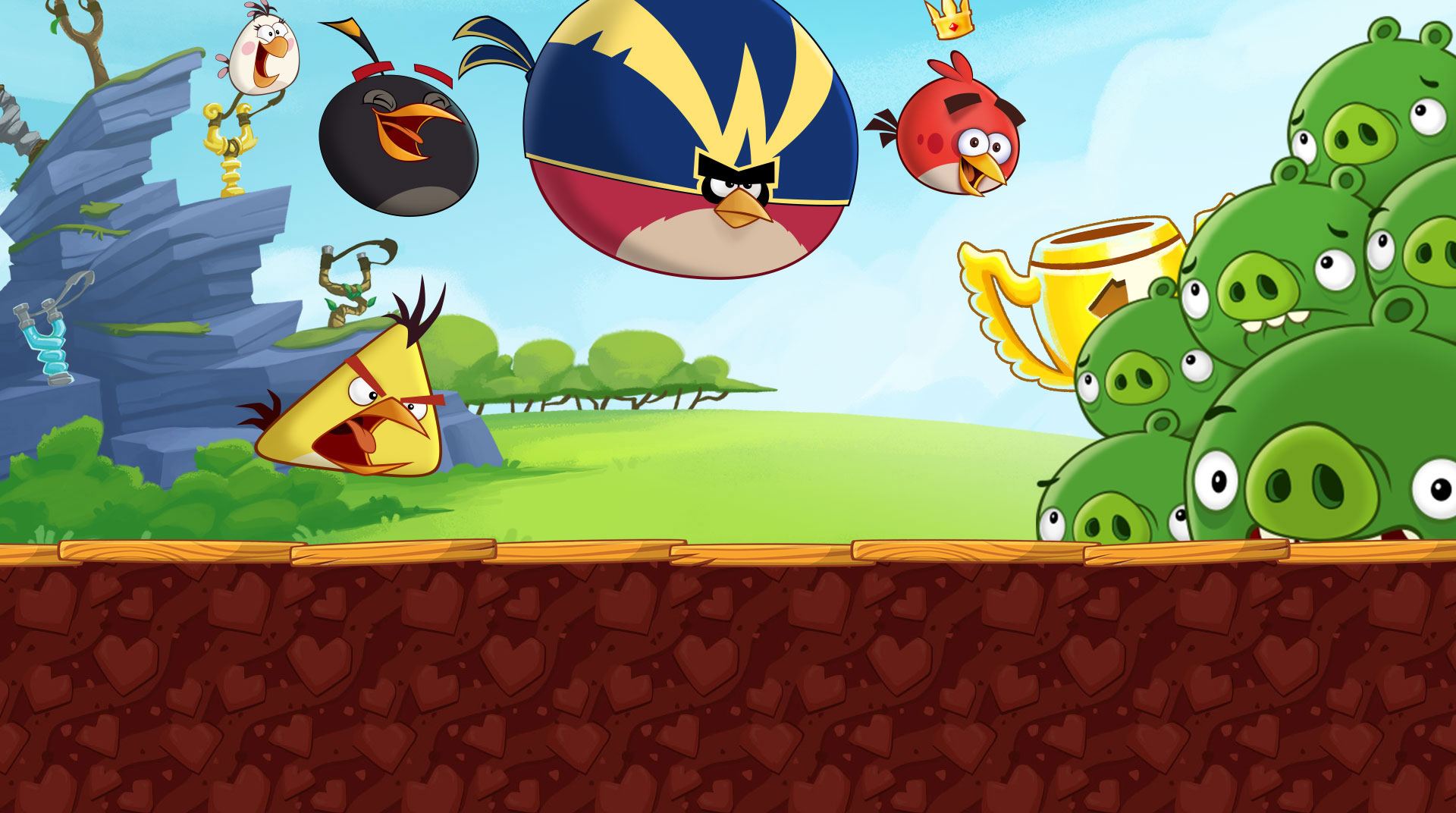
- Red: Your basic bird and works well for straightforward impact.
- The Blues: Split into three birds and are especially useful against glass structures.
- Chuck: Accelerates when activated and is great for breaking wood or punching through narrow openings.
- Bomb: Explodes and is ideal for tightly packed structures or stone-heavy defenses.
- Matilda: Drops an egg bomb and then flies upward, making her useful for attacking from unusual angles.

As you progress, more birds and special variants may appear, but the basic idea stays the same. Each bird is a tool. Beginners often waste birds by launching them the same way every time, instead of thinking about which material or angle they are best suited for.
Focus on Structure Weak Points
A common beginner mistake in Angry Birds Friends is aiming directly at pigs instead of looking at the entire structure. While hitting pigs matters, the fastest way to clear a level is often by collapsing the structure around them.
Look for weak support points near the base, exposed TNT, unstable stone stacks, and spots where one good hit can trigger a chain reaction. A single smart shot can do more than three rushed ones. This matters even more in Angry Birds Friends because high scores depend on efficiency.

If a tower is leaning slightly or one support block is carrying most of the weight, that is often your best target. The goal is not just destruction. It is maximum destruction with minimum birds used.
How Power-Ups Change the Game
One of the biggest differences between Angry Birds Friends and older Angry Birds games is the power-up system. Power-ups can make aiming easier, extend bird flight, or increase destruction. They are helpful, but beginners should understand them as support tools rather than something to rely on every level.

The game can absolutely be played without power-ups, especially at the start. In fact, learning the basic physics first will help more in the long run than using boosts to force wins. Once you understand how levels work, power-ups become more valuable because you will know exactly when they can save a run or turn a good score into a great one.
Using power-ups carelessly can drain resources fast. New players should save them for difficult stages, important tournament pushes, or moments when a small advantage could improve ranking.
What Bird Coins Are For
Bird Coins are one of the key currencies in Angry Birds Friends. They are earned through strong performance, especially by collecting stars in weekly tournament levels and finishing high on the leaderboard.
These coins are valuable because they let you purchase useful items like power-ups, Mighty Eagle access in some versions, Wingman support, and cosmetic options such as avatars or costumes. For a beginner, the most important thing is understanding that Bird Coins should usually go toward gameplay value first.

That means it is usually smarter to spend them on useful boosts when needed rather than cosmetic extras early on. If you are trying to progress efficiently, resource management matters. Bird Coins come in slowly compared to how easy they are to spend.
How Tournaments Affect Progress
Tournaments are a major part of Angry Birds Friends. Instead of just playing random stages, you will often be competing in weekly sets where your performance is compared with other players.
This changes how you should think about levels. Winning is not just about clearing the stage once. It is about improving your score through better strategy, cleaner destruction, and sometimes a better sequence of shots. If your first run is sloppy, replaying the level can make a huge difference.
For beginners, tournaments are one of the best learning tools in the game. Since you often repeat levels, you start noticing better launch angles, more efficient bird use, and hidden ways to collapse a structure. Over time, this improves your instincts across the whole game.
Tips to Score Higher as a Beginner
The easiest way and one of the best tips to improve in Angry Birds Friends is to slow down before each shot. Study the level for a few seconds. Look at the materials, the pig positions, and the parts of the structure that seem easiest to destabilize.
You should also avoid using birds too quickly. Many beginners panic after a mediocre first shot and start firing without a plan. Instead, treat every bird like it matters, because it does. Leftover birds often add bonus points at the end, so efficient clears almost always beat wasteful ones.
Replaying levels is also important. Since Angry Birds Friends is built around competition, your first clear is often not your best one. A second or third attempt can lead to a much higher score once you understand how the level reacts.

Finally, learn when to stop forcing a strategy. If the same angle fails repeatedly, try a different point of attack. Sometimes a small change in trajectory makes the entire structure fall differently.
Angry Birds Friends is easy to pick up, but it has more depth than it first seems. The familiar slingshot gameplay is still the foundation, but tournaments, power-ups, and score chasing give the game a more competitive edge. For beginners, the best approach is to master the basics first, learn how each bird works, and focus on smart destruction rather than rushed shots.
Once you start reading structures better and managing your resources carefully, your scores will improve naturally. For the best experience playing Angry Birds Friends with smoother controls and better performance, play on PC with BlueStacks.