Monster Train Beginner’s Guide: Core Mechanics, Clans, Combat, and Progression Explained
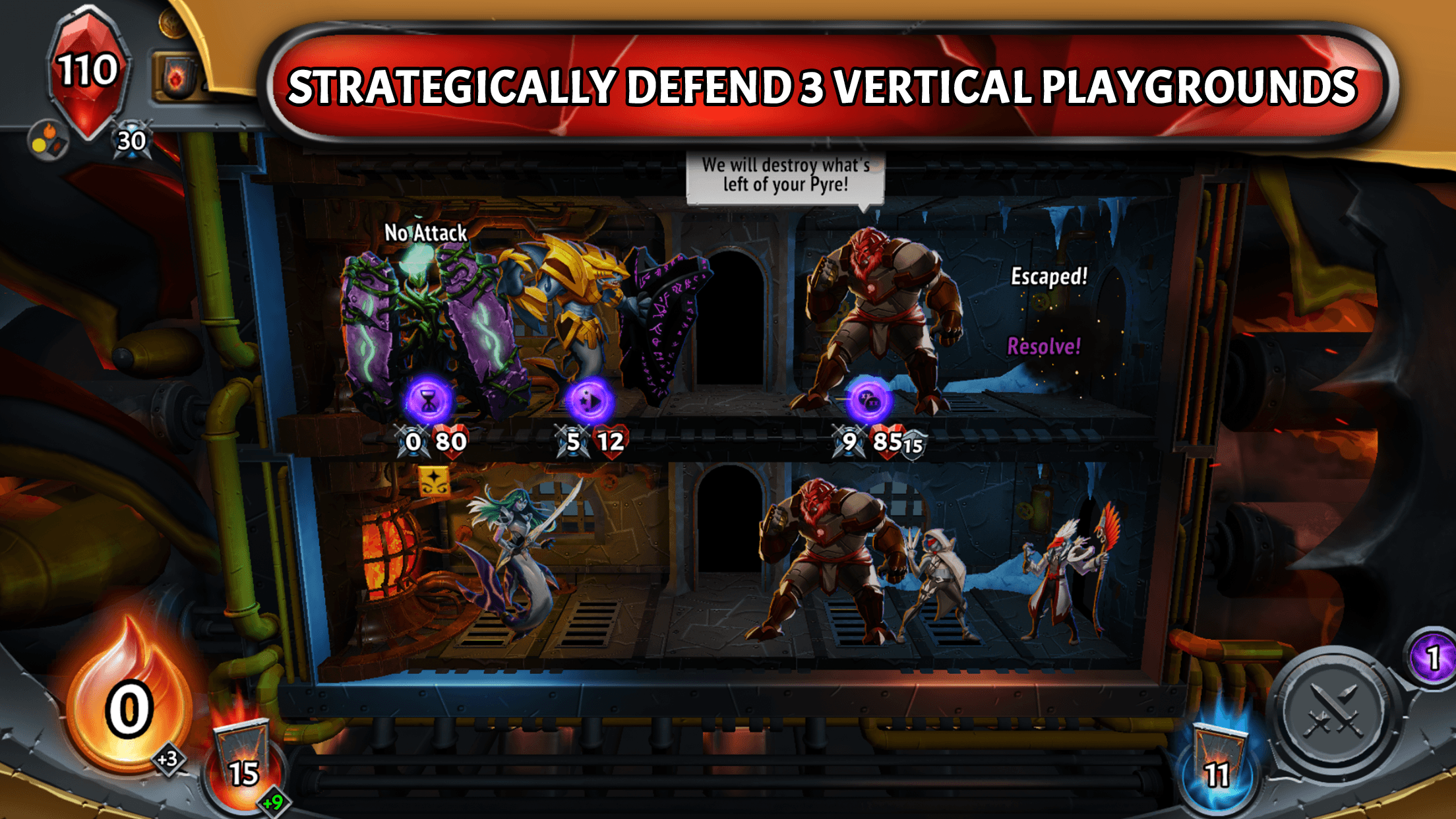
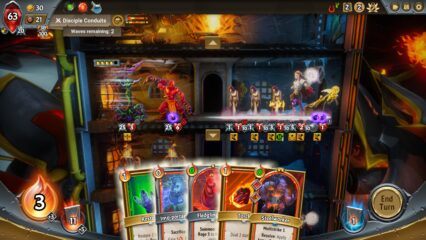
Monster Train is a roguelite deck-building game built around a simple goal: protect your Pyre (your “base” and shared health pool) as enemies climb up your train toward it. What makes it feel different from other deck-builders is the battlefield itself, since fights play out across three vertical floors you can defend, plus the Pyre room at the top. Between battles, you’ll pick routes, draft new cards, upgrade your deck, and grow your clan levels to unlock more options over time.
If you’re new, the game can feel like a lot at once, so this guide focuses on the mechanics you’ll be interacting with from your first run onward, and what each system is actually doing for your deck and your combat plan.
Combat: Floors, Waves, and the Pyre
Every battle in Monster Train happens inside your train, which is split into multiple levels. The bottom three floors are where you place your units and fight most waves, while the top floor is the Pyre room. Enemies typically enter on the bottom floor and move up one floor at the end of each turn if they’re still alive. If an enemy reaches the Pyre, it will start attacking it directly, and if the Pyre’s health hits zero, your run ends; so the point isn’t just “win fights,” but win them while keeping the climb under control.

Your turns revolve around playing cards from your hand using Ember, which is the energy you get each turn. Units and spells both cost Ember, and units also cost Capacity on whichever floor you place them. Capacity is essentially your space limit per floor, so even if you have strong units in your deck, you still have to think about where they fit and what floor they belong on. When enemies arrive on a floor, combat happens there, and then surviving enemies continue their climb. Boss fights work the same way, except bosses usually have enough health that you’re expected to damage them across multiple floors, meaning your setup needs to survive long enough to “grind” the boss down as it advances.
A useful mental model early on is that each floor is a defensive checkpoint. Instead of thinking you must stop everything on the first floor, it’s often more realistic to build a strong floor that can delete waves consistently, while another floor acts as a backup. Since the Pyre can also fight, it’s not automatically game over if something leaks through, but you want to treat Pyre health as a limited resource you’re managing across the run.
Cards and Decks
Monster Train decks are made up of unit cards and spell cards, and a lot of early confusion comes from how those two types “win” fights differently. Units are your long-term board presence: you spend Ember once to play them, they occupy Capacity on a floor, and they keep contributing turn after turn as long as they survive. Spells are your flexible tools: they can deal targeted damage, apply buffs or debuffs, fix awkward situations, and support your floors without needing space.

Because your deck cycles, consistency matters more than beginners usually expect. Early on, you’ll have filler cards like Train Stewards and basic starter spells that are fine in the first couple battles but quickly become weak draws later. As your deck grows, a run often improves simply because you’re drawing your important cards more often—so trimming out low-impact starters is a real part of how Monster Train’s deckbuilding works, not just a “nice bonus.” This is also why the game gives you multiple ways to remove cards over time, whether through specific locations or merchant services.
Clans, Champions, and How Each Run is Unique
Every run starts by choosing a primary clan and a secondary clan. Each clan has its own card pool and mechanics, so this choice sets the “shape” of your run by determining what kinds of units, spells, and synergies you’ll see. When you first begin Monster Train, you won’t have all clans available, but the structure stays the same: you’re combining two clan toolkits and building a deck that can scale into later rings.

Champions are central to this. Your starting deck begins with your champion plus basic starter cards, which makes the champion your most reliable early-game unit. Champions are upgraded at specific points during the run at the Dark Forge, where you pick specializations that change what your champion does and how it scales. Each champion has multiple upgrade paths, and across multiple upgrade points you can either commit to one path or mix them into a hybrid. The important beginner takeaway is that the champion isn’t just a “strong unit,” but the backbone your early fights are balanced around, and your upgrade choices tend to determine what kind of deck you should be drafting to support it.
Map Routes, Rewards, Merchants, and Trials
A Monster Train run is a sequence of battles connected by a branching path. After each fight, you choose your route and collect rewards that can include gold, card drafts, unit drafts, artifacts, and access to locations like merchants or special events. This is where most of the “roguelite” decision-making happens, because you’re not only adding power, you’re choosing what type of power your deck needs right now.

Merchants are especially important because they let you upgrade units and spells using gold. Upgrades can dramatically change how a card performs, and since upgraded cards stay upgraded for the rest of the run, your merchant choices are one of the main ways you turn a decent deck into something that can actually finish the final rings. Alongside upgrading, you’ll also see opportunities to remove cards, which is part of keeping your deck functional as it grows.
Before many non-boss battles, Monster Train offers a Trial: an optional modifier that makes the fight harder in exchange for extra rewards. Trials are the game’s risk-reward lever, and the key beginner point is that they aren’t “always take” or “always skip.” They’re a way to accelerate your run if your current deck can handle the drawback, and a way to avoid getting countered if the modifier directly punishes how you deal damage or how your floors are set up.
Pyre Upgrades and Long-Term Progression Systems
At certain milestones in a run, you’ll be offered major upgrades that affect your baseline resources, typically in the form of choosing between more Ember, more card draw per turn, or more Capacity. These choices matter because they change how your deck plays at a fundamental level. A deck full of expensive cards will feel completely different depending on whether you chose more Ember, and a deck that empties its hand easily will benefit differently from extra draw. Capacity upgrades matter when your plan needs multiple units on the same floor, or larger units that eat up space quickly.

Outside individual runs, Monster Train also has longer-term progression through clan levels. As you keep playing a clan, you unlock more cards, artifacts, and champions tied to that clan, which expands your future run possibilities. The game also includes additional content updates and DLC systems (like The Last Divinity), which introduce new mechanics and higher difficulty layers, but the foundation stays the same: build a deck that defends three floors effectively, scale your champion and key cards, and make route decisions that support your run’s direction instead of pulling you in five different directions.
Monster Train’s first few runs are mostly about getting comfortable with its unique “three-floor defense” combat loop and learning what each decision point actually changes for your deck. Once you understand how Ember, draw, and Capacity shape your turns, and how clans and champions define what your deck is trying to do, the game becomes much easier to read—even when the run offers you a ton of choices. If you want to play Monster Train with smoother controls and more breathing room to manage fights and upgrades, you can run it on PC with BlueStacks for a bigger screen experience, plus keyboard and mouse support.