OTR 2 Beginner’s Guide – Vehicles, Exploration, Progression, and Gameplay Basics
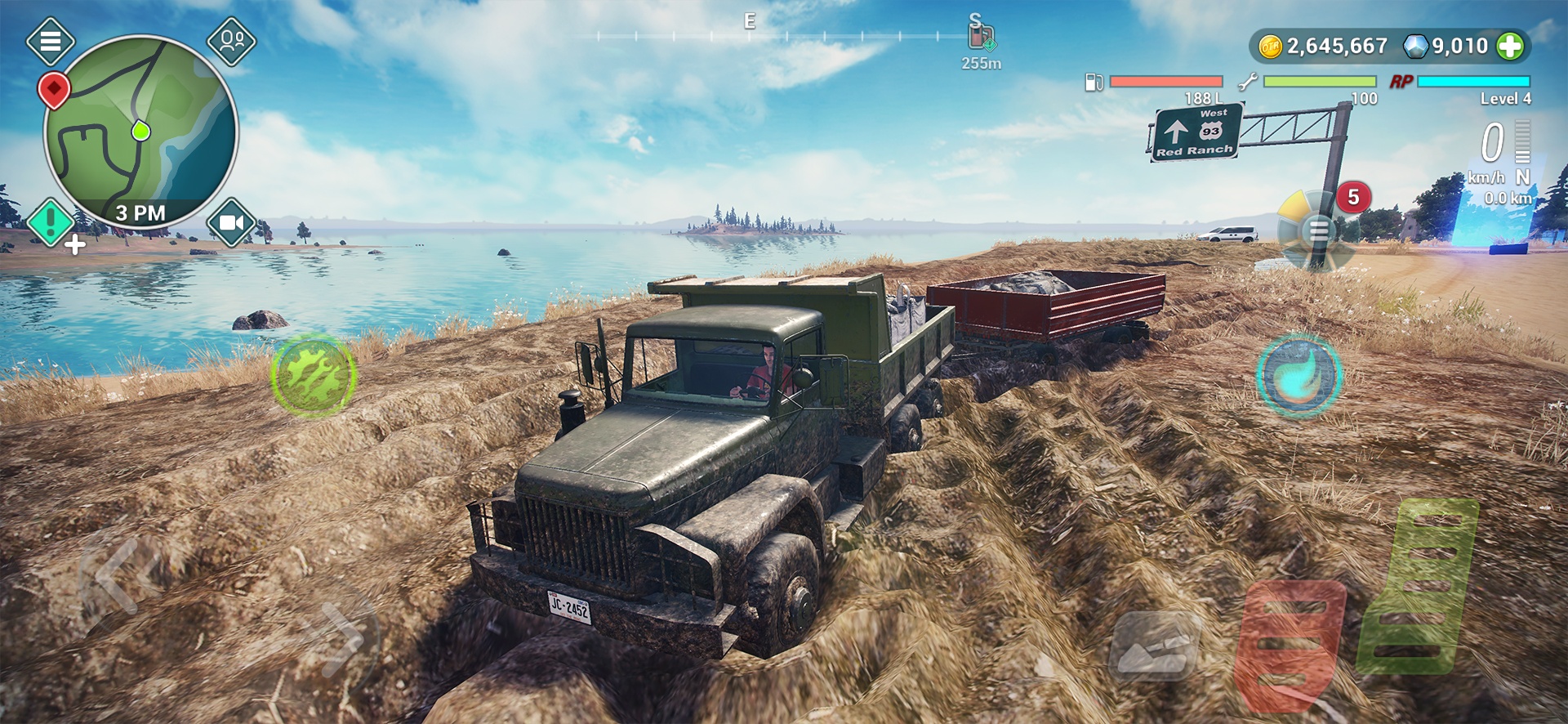
OTR 2 is shaping up to be one of the most ambitious open-world driving games on mobile, combining offroad exploration, physics-based driving, multiple vehicle types, and sandbox-style progression into one massive experience. Instead of focusing only on races, the game encourages players to travel across huge environments, complete activities, unlock new vehicles, and interact with different terrain types using cars, trucks, boats, and aircraft.
For new players, the amount of freedom can feel a little overwhelming at first. Between the huge map, the different vehicles, and the many activities scattered around the world, it is easy to lose track of what you should focus on early. This beginner’s guide for OTR 2 will walk you through the game’s core systems, explain how progression works, and help you understand the basics before you hit the road.
Understanding the Open World Structure
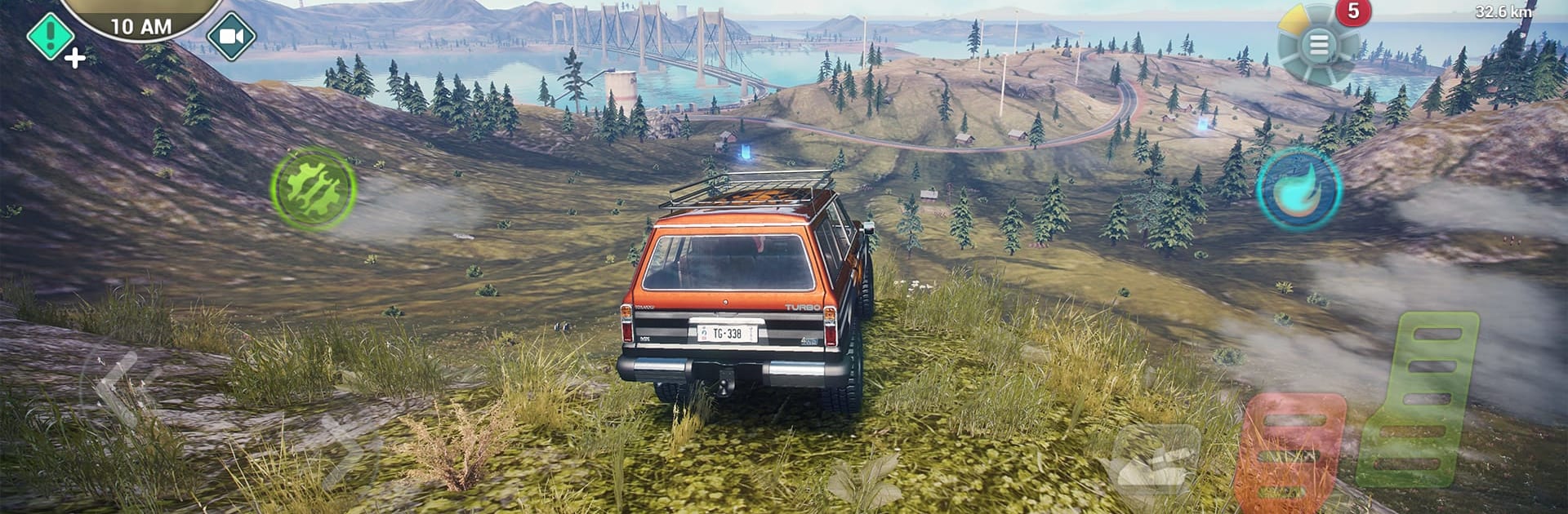
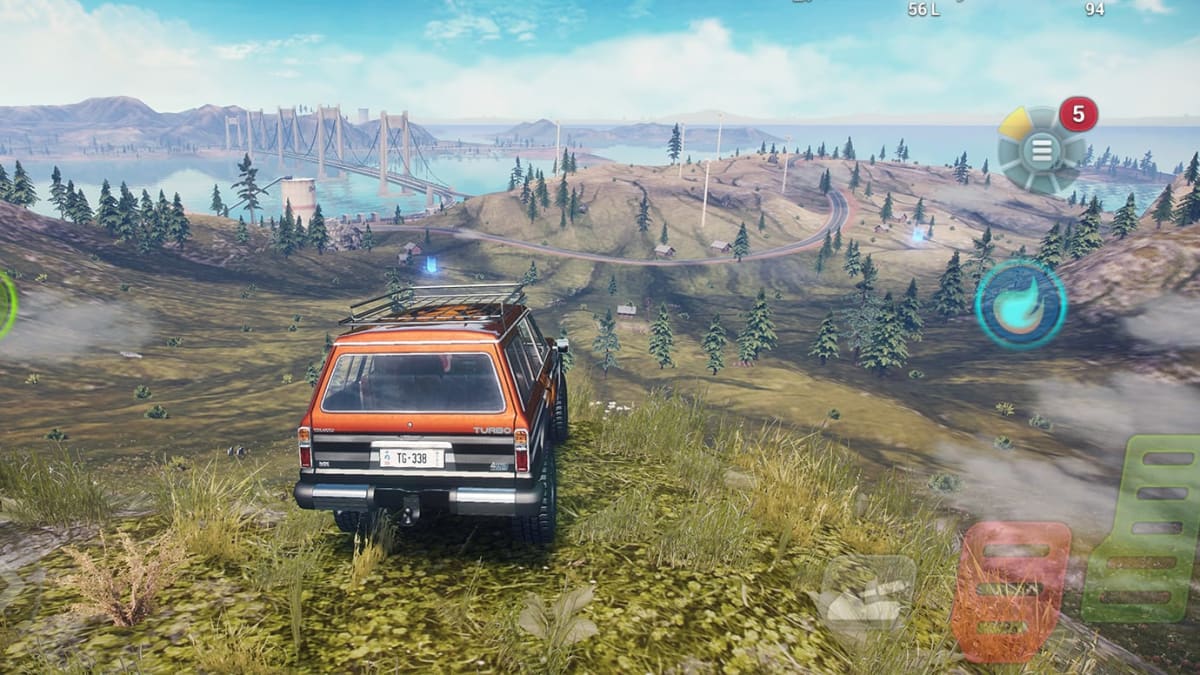
Unlike traditional racing games that move from one event to another through menus, OTR 2 appears to focus heavily on free exploration. The world is filled with roads, mountains, rivers, forests, deserts, and activity markers that encourage players to travel naturally across the environment instead of simply teleporting between races.

As you explore, you will likely discover different mission types, vehicle challenges, resource locations, and traversal opportunities. Some areas seem designed for high-speed driving, while others require slower and more controlled offroad movement.
For beginners, it is usually better to explore steadily rather than rushing through objectives. Learning the map layout, terrain behavior, and shortcut routes will make progression much easier later on. The game’s world appears to reward curiosity just as much as competition.
Vehicle Types and What They Are Used For
One of the biggest features in OTR 2 is the variety of vehicles available. From gameplay footage and previews, the game includes several vehicle categories that each handle differently depending on the environment.

Ground vehicles are the most common and are likely used for races, exploration, and general progression. Faster cars are useful for road travel and speed-focused events, while heavier trucks appear better suited for rough terrain, climbing, and hauling through mud or rocky areas.
Water vehicles open access to lakes, rivers, and coastal areas that regular cars cannot reach efficiently. Meanwhile, aircraft seem to provide fast long-distance travel and aerial exploration across the map.
Instead of sticking to only one vehicle type, beginners should experiment with everything the game offers. Different activities and terrain conditions appear designed around swapping between vehicles depending on the situation.
Learning the Driving Physics Early
OTR 2 seems to place a strong focus on physics-based driving instead of fully arcade-style handling. Vehicle weight, terrain grip, suspension movement, momentum, and water resistance all appear to play an important role during gameplay.

Because of this, driving at full speed all the time is not always the best approach. Muddy terrain, steep hills, rocky roads, and water crossings can quickly slow you down or flip your vehicle if you are not careful.
New players should spend some time learning how different vehicles react to terrain changes. Trucks may maintain traction better during climbs, while lighter vehicles could lose control more easily on uneven surfaces.
Understanding throttle control and braking also becomes important during offroad travel. Slower and smoother driving often works better than aggressive acceleration when crossing difficult terrain.
How Missions and Progression Work
Based on current gameplay footage, OTR 2 includes various mission markers and activities spread across the map. These likely include races, delivery-style objectives, exploration tasks, and vehicle challenges.

Completing activities appears to reward currency, resources, or progression materials that can then be used to unlock better vehicles and upgrades. As players progress further, new areas and additional gameplay systems gradually open up.
For beginners, the best approach is usually to focus on steady progression rather than trying to optimize everything immediately. Completing a wide variety of activities helps familiarize you with the map and vehicle mechanics while also unlocking more progression opportunities naturally.
It also looks like certain events may favor specific vehicle types, so maintaining a balanced garage could become important later on.
Base Building and Crafting Systems
OTR 2 also appears to include light crafting and base-building mechanics tied to progression. While full details are still limited, gameplay previews suggest that players may gather resources, improve facilities, and unlock support systems that help with long-term progression.

These systems seem designed to give players additional goals outside of racing and exploration. Instead of simply unlocking vehicles, players may also spend time improving their home base, managing upgrades, and expanding functionality over time.
For beginners, this likely means resources should be spent carefully early on. Since progression systems often expand gradually in sandbox-style games, it is usually smarter to avoid wasting materials on temporary upgrades during the first few hours.
Getting Comfortable With Long-Distance Travel
One thing that immediately stands out about OTR 2 is how much emphasis the game places on movement across large environments. Traveling between locations is not just a loading screen transition. The journey itself appears to be part of the gameplay experience.
Road conditions, terrain elevation, rivers, cliffs, and weather effects all seem to affect how you move around the world. Because of this, learning efficient travel routes becomes an important part of progression.
Beginners should pay attention to how different vehicles perform during long-distance travel. Some routes may be faster by air, while others may require boats or durable offroad vehicles to navigate properly. Exploring alternative paths and understanding the terrain can save a lot of time later on.

OTR 2 looks like it is aiming to deliver a large-scale sandbox driving experience where exploration, traversal, and vehicle variety are just as important as racing itself. Between the open world structure, physics-based driving, multiple vehicle types, and progression systems, the game offers a lot for new players to learn during the early hours.
Fortunately, the best way to approach the game is simply to explore, experiment with vehicles, and gradually learn how the world works. Once you become familiar with the terrain, vehicle handling, and progression systems, the overall experience becomes much easier to understand and enjoy.
For the best experience, play OTR 2 on PC with BlueStacks. The larger screen makes navigation easier, while keyboard, controller support, and smoother performance help improve driving precision across every terrain type. Whether you are exploring the open world, flying across the map, or tackling offroad challenges, BlueStacks gives you a much more comfortable way to enjoy OTR 2.