Complete Chef’s Guide For Ragnarok Monster Kitchen
Chefs sit at the heart of Ragnarok Monster Kitchen, turning your hard-earned ingredients into the dishes that keep coins flowing and customers happy. Managing them well means more than just hiring the first pig in a chef hat; you need to plan oven lines, upgrades, and staff synergies around their work. This guide focuses on everything that happens behind the counter, so your monster kitchen never stops cooking.
Understanding Chef Roles and Stats
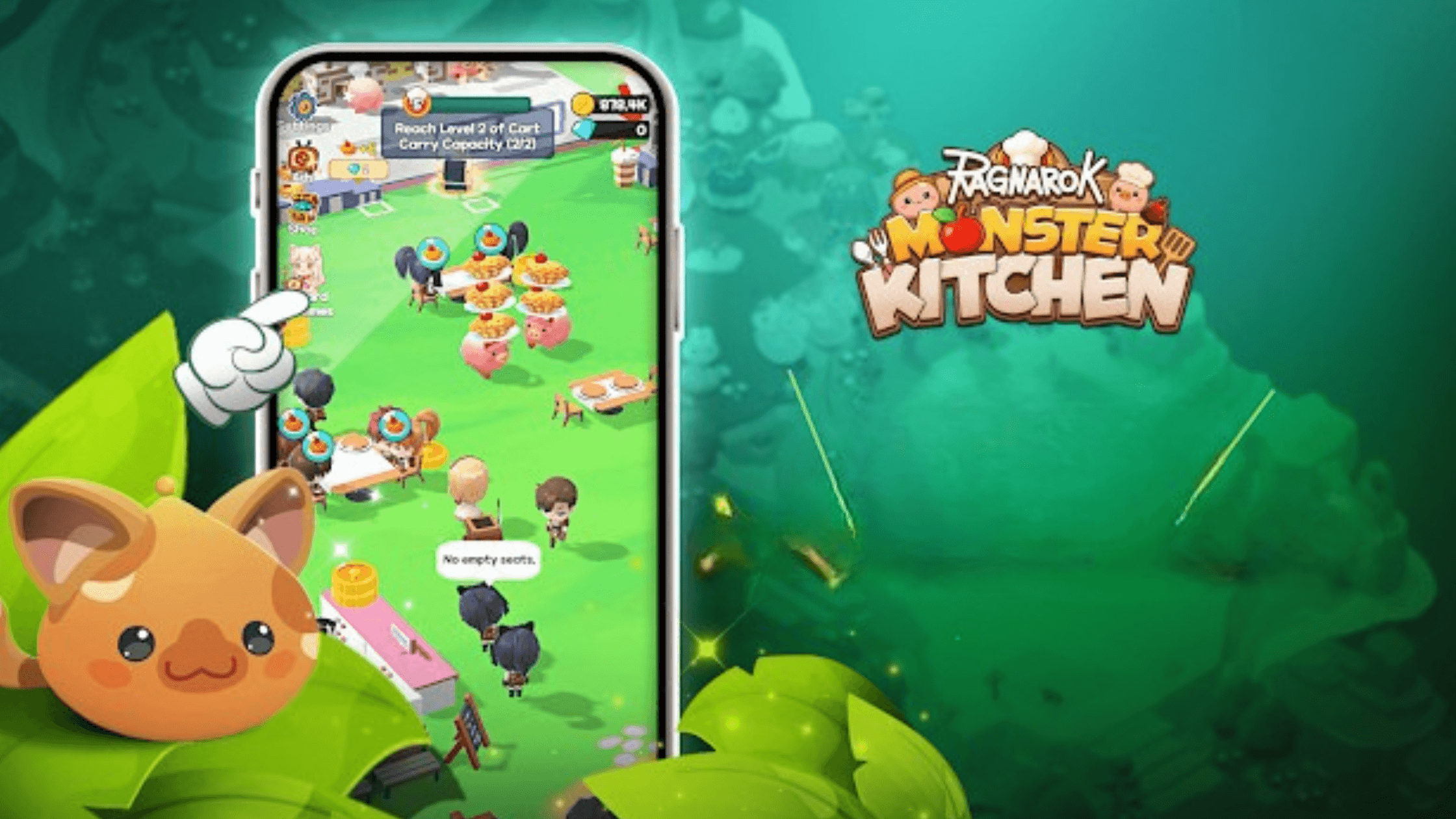
Chefs handle all food preparation at cooking stations like the Apple Pie ovens, converting ingredients from the cart or storage into finished dishes. When a dish is ready, an icon appears above the oven, signaling serving staff or your avatar to pick it up and deliver it to the counter or tables.
Each chef has core stats shown on the Staff Upgrade screen, including reduced cooking time and movement speed. Reduced cooking time directly determines how quickly ovens cycle, while movement speed affects how fast chefs can move between ingredient sources and stations in layouts where they need to walk.

Hiring Your First Chef and When to Add More
During early quests in Forest Dessert Cafe, you unlock the option to hire a pig chef near the Apple Pie Shop, usually marked by a coin icon and speech bubble. Hiring this first chef is essential because it shifts you from manually babysitting ovens to a semi-automated flow where you can focus on serving and cleaning.
Additional chefs or upgraded versions become available as you progress quests and unlock new kitchen areas. Treat each added chef like a multiplier on your cooking capacity, justifying investment whenever customer queues stay long despite having enough tables and serving staff.
Prioritizing Chef Upgrades Over Other Staff
In the Staff Upgrade menu, chef upgrades often appear alongside Serving Staff, Farm Staff, and Counter Manager options. For most of the early game, extra coins should go to chefs first because cooking speed sets the upper limit on how many plates you can possibly serve.
A good rule is to keep chef upgrades one step ahead of serving staff: if dishes are constantly queued up at ovens, upgrade chefs; if ovens sit idle while staff carry food, shift coins to Serving Staff instead. This alternating pattern prevents wasted capacity at either end of the kitchen line.

Designing Efficient Oven and Station Layouts
Ragnarok Monster Kitchen’s cooking stations usually line up along a wall or fence, such as the twin Apple Pie ovens facing the river. To maximize chef efficiency, place stations in a straight row with minimal gaps so chefs take the shortest possible path between them.
Avoid clutter or decor that forces diagonal movement or detours between ingredient drop-off points and ovens. When new machines like the Apple Juice Machine unlock, place them adjacent to existing stations rather than across the yard, keeping all chef-related tasks in one compact strip.
Balancing Farm Output with Cooking Capacity
Chefs cannot cook if apples and other ingredients are missing, so their performance is tied to your Farm Staff. Once cooking feels smooth but ovens occasionally go idle waiting for ingredients, invest in Farm Staff upgrades to increase carry capacity and movement speed.
Aim for a rhythm where farm workers arrive with fresh ingredients just as chefs finish a batch, preventing stockouts without over-investing in harvesting. If storage fills up and chefs rarely empty it, delay further farm upgrades and push recipes or tables instead.

Scheduling Recipe Upgrades Around Chef Power
Apple Pie and other recipes can be upgraded to raise sale prices, but each upgrade also increases the value of your chefs’ time. Consider raising a recipe right after a major chef upgrade, when ovens can already cycle faster and you are sure you can keep them busy.
If your chefs struggle to keep up with demand, focus on reduced cooking time first before putting coins into recipe tiers. This sequencing ensures that price increases apply to a higher number of plates instead of a few slow-moving dishes.
Handling Timed Events and VIP Orders as a Chef
Daily events and VIP delivery orders often require specific actions like serving a number of dishes within a timer. Before starting one of these events, check that your chefs are upgraded enough to clear oven queues quickly; otherwise you may run out of time despite plenty of customers.
For delivery-style VIP orders, time their acceptance for moments when tables are mostly served and ovens are between waves. This lets chefs dedicate a short burst of production to the VIP request without starving your main restaurant of fresh dishes.

Working With Serving Staff and Special Serving Staff
Chefs rely heavily on Serving Staff and Special Serving Staff to pull dishes from ovens; plates sitting at stations earn nothing. After every two or three chef upgrades, check whether dishes are lingering above ovens—if so, shift coins to serving staff speed and carry capacity until those icons disappear quickly.
Special Serving Staff purchased with diamonds can move faster and carry more than normal staff, effectively raising how many dishes your chefs can push through without needing another oven yet. Treat these hires as long-term partners to your chef line rather than simple cosmetic additions.
Minimizing Downtime with Costumes and Speed Boosts
While chefs work automatically, your avatar still supports them by clearing dishes, cleaning tables, and occasionally moving ingredients. Speed-focused costumes and temporary Speed Up boosts indirectly improve chef output by shortening the time dishes sit uncollected at stations.
Trigger these boosts when you see multiple ovens finishing at once or during timed quests that demand rapid serving. Faster manual support ensures every batch your chefs complete reaches customers or counters without delay.

Preparing Chefs for New Restaurants and Menus
The storybook structure of Ragnarok Monster Kitchen introduces fresh restaurants like Beachside Restaurant after you clear Forest Dessert Cafe. Each new chapter brings different layouts, additional machines, and more demanding customers that expect your chefs to maintain high throughput.
Before pushing the final objectives in a chapter, give your chefs and supporting staff a few extra upgrades so they enter the next restaurant with a performance cushion. This preparation lets you adapt to new station placements and event patterns without hitting a sudden slowdown in cooking.

Treat chefs as the core engine of Ragnarok Monster Kitchen, and build everything else—farm output, serving routes, layouts, and boosts—around their ovens. With smart upgrades and thoughtful station design, your monster chefs will keep every restaurant chapter running at full heat, no matter how many customers line up outside. For the best gaming experience, play Ragnarok Monster Kitchen on BlueStacks!