A Beginner’s Guide To Abyss Hunters
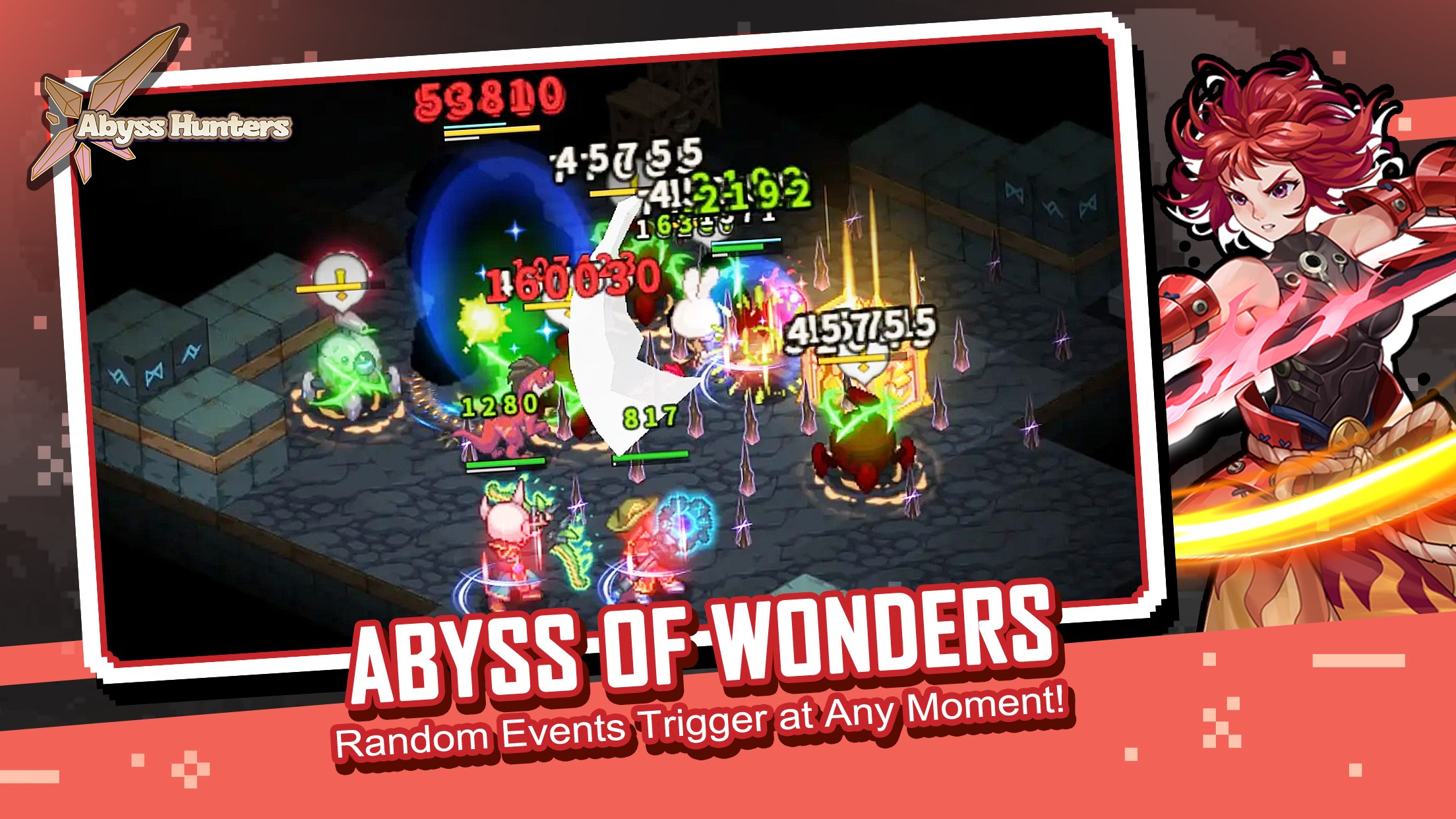

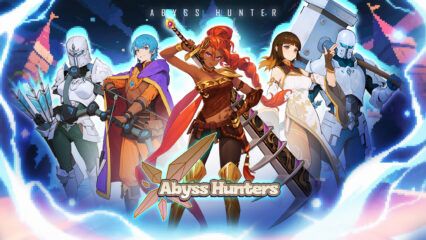
Abyss Hunters is a fantasy idle roguelite RPG where a three‑hero party explores the layered Abyss while you manage a camp built around a Levistone pillar. This guide explains the most important early systems—combat, Levipower, Abyss layers, heroes, camp growth, entrusted tasks, and shrines—so you can progress efficiently from the first session.
Core combat and Levipower
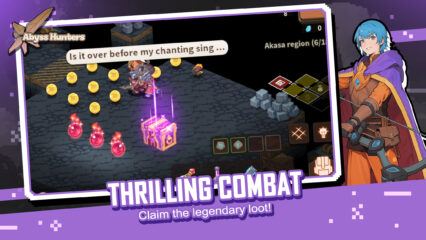
Combat is semi‑automatic: heroes move and basic‑attack on their own, but you choose when and where to fire active skills and Levipower abilities. To cast, hold a skill icon, drag the guiding crystal or blue grid over the tiles you want to hit, then release, or tap the icon to quick‑cast on the main target when precision is less important.
Levipower comes from the Levistone pillar in camp and is described as an instant tactical resource that ignores normal attack distance but consumes special energy. The Levistone menu lets you unlock and level spells such as Healing or Meteorite, then place a few of them into an “Assembly Field,” which defines which powerful abilities are usable in battle at any moment.
Auto‑command unlocks early in the lava tutorial and can be toggled by long‑pressing: when on, the AI automatically casts skills as energy fills; when off, you manually handle timing and targeting, which is recommended for bosses or new content and less necessary for easy farming floors.

Abyss layers, events, and loot
From camp, the blue portal lets you select Teleport Terminals such as Shallow Abyss #1 or #2, with a preview window showing terrain, depth, expected resources, and the leader monster so you can judge difficulty. Every few layers you reach an in‑dungeon Teleport Terminal that works as a checkpoint and safe return point, allowing you to exit with your loot and resume from that depth later.
Floors feature simple but important events: red spheres that advance you deeper; shrines that offer temporary buffs with the option to remove “useless” ones; and treasure chests that open a loot window where you can pick up or discard items to manage bag space. Clearing shallow layers consistently should be the first milestone, since this unlocks more terminals, resources, and story scenes.

Heroes, equipment, and EXP food
Your starting trio—Book (frontline warrior), Sam (ranged archer), and Celestine (mage)—covers melee, physical ranged, and magic damage, each with a signature skill (Jump, Volley, Blast) shown on their Armory panels. These screens list HP, attack, defense, and level progress, along with weapon, armor, and accessory slots; if the right‑hand pane says “No available equipment,” you simply do not own gear of the appropriate type yet.
When you dismiss a hero, the game returns all their equipment plus some of their invested EXP as food items such as Rice Sushi. The Supply tab shows these foods, and tooltips explain that “experience is returned in the form of food” and can be fed to other heroes, letting you swap out weaker units without permanently losing early investment.

Camp resources and facilities
The camp gradually becomes a second progression track. Resource tooltips for Dust and Ore display current amount, growth rate per hour, and storage cap (for example 500), plus the buildings they feed, such as Levistone, Smithy, or Stash; some facilities, like the Pet Fence or Smithy, initially show “not built” or “no upgrades,” signaling future construction.
Visual changes—more elaborate cooking tables, stocked shelves, and decorations—reflect facility improvements and unlock additional systems like cooking and possibly pets or forging as you advance. These upgrades indirectly strengthen your party by enabling gear crafting, better resource conversion, and higher Levistone levels.

Entrusted tasks and daily action points
The quest board handles off‑Abyss content via entrusted tasks set in areas such as Dungeon, Mine, Plain, and Lava. Each mission shows a star rating, enemy type, and rewards (gold, logs, dust, food), with higher stars implying harder fights and better payouts. You gain four action points per day; clearing a task consumes one point, but failing or abandoning does not, and using 2 or 4 points unlocks extra daily rewards, encouraging full usage.
For beginners, an efficient routine is to log in, clear the hardest entrusted missions your team can reliably beat until all four action points are spent, and funnel the resulting gold and materials into Levistone upgrades and key camp buildings

Shrines, Equipment Shrine, and bindings
Shrines encountered during Abyss runs provide strong but temporary effects, such as a flat percentage damage boost for the whole team, which is especially helpful before mini‑boss rooms or deep floors. A tutorial tooltip highlights that you can remove a buff you find “useless,” allowing you to curate your active blessings rather than being stuck with random rolls for the entire run.
The Equipment Shrine, introduced on a lava platform, can “bind the unbound equip in your bag,” according to its tooltip. This suggests a way to fix ownership or upgrade properties of equipment found in the Abyss, so beginners should interact with these shrines whenever they appear to stabilize key weapons for core heroes before tackling tougher depths.

Early success in Abyss Hunters comes from learning precise skill and Levipower usage, clearing shallow Abyss layers for checkpoints and materials, and reinvesting everything into Levistone upgrades, heroes, and core camp facilities. By spending your daily action points on entrusted tasks, recycling EXP through food when swapping heroes, and using shrines and Equipment Shrines wisely during runs, you build a stable account that can steadily push deeper layers without wasting resources. Enjoy playing Abyss Hunters on PC or laptop with BlueStacks!