Magic The Gathering Arena Brawl Decks Guide - Best Commanders and How to Build
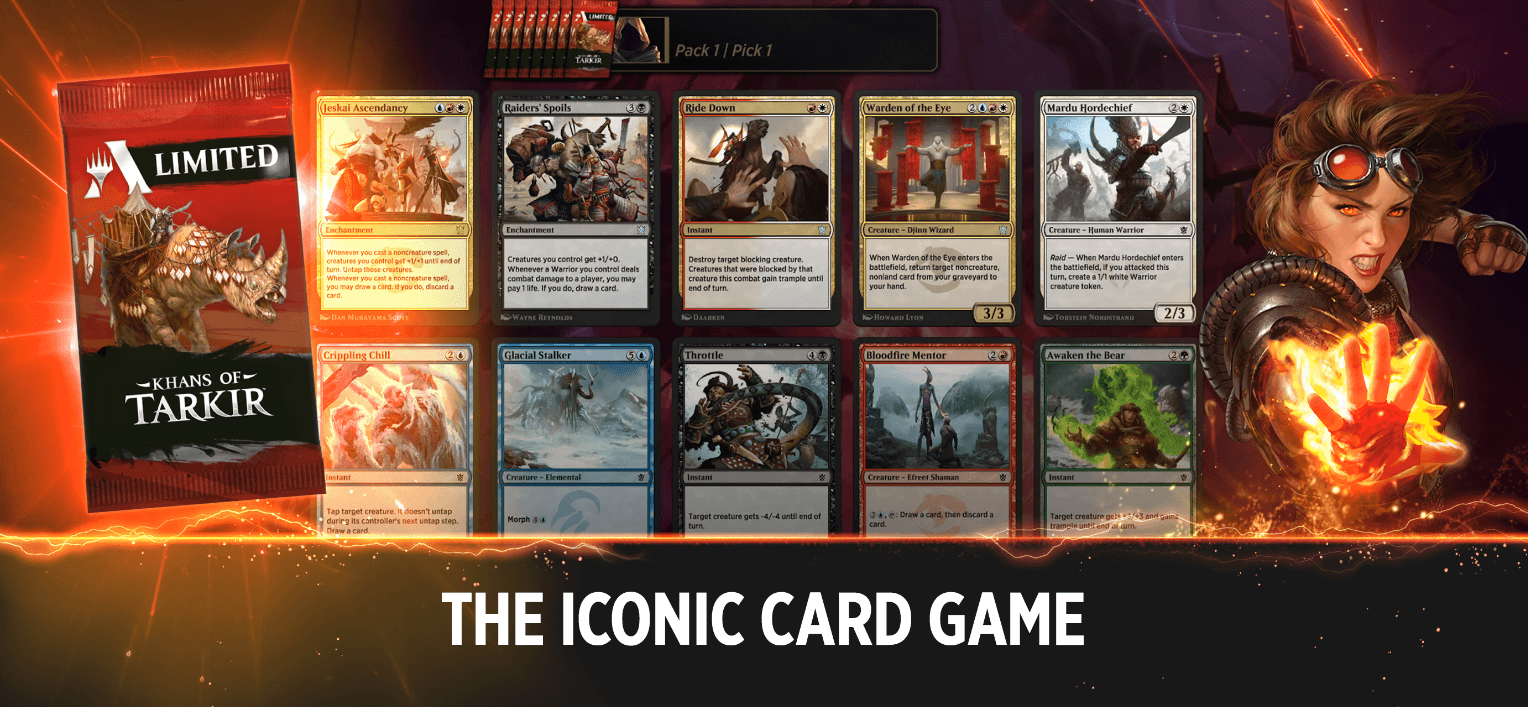

Magic The Gathering Arena has its own take on Commander, and it plays very differently from the paper format. This guide to Magic The Gathering Brawl Decks covers the rules that actually matter, the strongest commanders in the current meta, and how to put together a deck that wins. Here is everything you need to get started.
What Is Brawl in MTG Arena?
Brawl is a 100 card singleton format with commanders, and it exists only inside MTG Arena. You can build with cards from every set released on Arena, including Alchemy sets and their digital only mechanics.
Wizards renamed the format from Historic Brawl to simply Brawl in late 2023. Nothing about the rules changed, and plenty of the community still calls it Historic Brawl, so the two names mean the same thing. It is not the same as Standard Brawl, though, which is a separate 60 card format restricted to Standard legal cards.

The format feels much closer to Cube than to paper Commander. Games are one on one, you start at 25 life instead of 40, and there is no multiplayer option at all. That changes almost everything about how decks are built. If you’re still finding your feet with the client itself, check out this Beginners Guide to Playing Magic: The Gathering Arena before diving into Brawl specifically.
Brawl Rules You Need to Know
The core rules are simple enough to learn in a couple of minutes:
- Decks are 100 cards with no duplicates, aside from basic lands.
- Each deck runs one commander, or two if you are using partner commanders.
- Every other card must fit inside your commander’s color identity, which is determined by all mana symbols in its cost and rules text.
- Both players start at 25 life.
- Standard London Mulligan rules apply, with one free mulligan that carries no penalty.
- Casting your commander again from the command zone costs 2 more mana each time.
Your commander can be a legendary creature, a planeswalker, a vehicle, or a spacecraft with power and toughness. Planeswalker commanders are one of the biggest differences between Brawl and paper Commander, and they open up deck ideas that simply do not exist elsewhere.
How Deck Weight and Matchmaking Work in MTG Arena?
This is the part most new players miss, and it explains a lot about who you end up facing.
Arena assigns every Brawl deck a weight based on your commander and the cards inside your 99. The matchmaker uses that weight to pair you against decks of similar power, keeping optimized builds away from casual brews. The system is not perfect and will occasionally pair you up or down to find a match, but it generally works.

The practical takeaway is that stuffing your deck with the most powerful cards you own does not guarantee easier wins. It just moves you into a tougher bracket. If you want relaxed games, build accordingly, and if you want to be tested, load up.
Ranked Brawl is a separate queue introduced in June 2023, and it is where the fastest and most competitive decks belong. It also has its own banlist on top of the regular one, so a few commanders that are legal in casual Brawl cannot be played there at all.
Best Brawl Decks to Play Right Now
Let’s take a look at the strongest commanders in the current meta:
Etali, Primal Conqueror
Etali is the best starting point if you are new to Brawl. The deck is ramp focused and refreshingly direct. You spend your first few turns casting ramp spells so you can land Etali as early as turn 4 or 5, then let a genuinely busted card do the work.

Almost the entire 99 is built to support that plan. Because the deck leans so heavily on ramp, you can recast Etali again and again even after your opponent removes it. It is simple, powerful, and easy to pilot, which makes it an excellent first Brawl deck.
Grenzo, Crooked Jailer
Grenzo has a reputation for being unfair, and that reputation is deserved. The heist mechanic lets you look at three spells from your opponent’s deck, pick one, and cast it for free. In a value driven format like Brawl, that is enormous.

The deck around it is a classic Rakdos midrange shell packed with efficient threats and some of the best interaction available on Arena. Lightning Bolt, Thoughtseize, and Grief handle whatever your opponent is doing, while cards like Laelia and Laughing Jasper Flint keep the cards flowing. It is a jack of all trades build that rarely has a bad matchup.
Ajani, Nacatl Pariah
If you want to end games fast, this Boros token deck is the aggro option. The plan is to flood the board using every Krenko’s Command style effect on Arena, backed by heavy hitters like Wedding Announcement and Adeline, Resplendent Cathar.

Once your board is wide, cards like Warleader’s Call and Imodane’s Recruiter convert that pile of tokens into lethal damage. Phlage and Tajic give the deck staying power if the game runs longer than planned. Worth noting that Ajani is banned in Ranked Brawl, so this one is for the casual queue.
Sythis, Harvest’s Hand
Sythis proves Brawl is not just about jamming the most powerful cards you own. This is a proper synergy deck built almost entirely around enchantments, from ramp pieces like Sanctum Weaver and Jukai Naturalist through to its finishers.

The payoff comes from token engines like Sigil of the Empty Throne and Hallowed Haunting, plus sudden damage spikes from All That Glitters and Ancestral Mask. It still runs a few format staples that ignore the enchantment theme, but the deck rewards players who enjoy building an engine rather than just curving out.
Tymna the Weaver and Bruse Tarl, Boorish Herder
This partner pairing shows off something unique to Brawl. Running two commanders gives you access to three colors and two separate effects from the command zone, which massively widens your card pool.

The deck itself is a low curve Mardu build stacked with efficient creatures and premium removal. Tymna draws you extra cards whenever your creatures connect, which keeps your hand full while you apply constant pressure. It is one of the strongest builds in the format for players with deep collections.
Best MTG Arena Decks for Ranked Brawl
Ranked Brawl runs faster and meaner than the casual queue, and a few commanders define that environment. Katara, Waterbending Master and Nashi, Illusion Gadgeteer are both top tier picks, while Yuriko, the Tiger’s Shadow remains a long standing menace thanks to how quickly she converts card advantage into damage.

Remember that Ranked has its own separate banlist. Commanders like Ajani, Nacatl Pariah, Tamiyo, Inquisitive Student, Rusko, Clockmaker, and Ragavan are all banned there despite being legal in casual Brawl, so check your list before queuing.
How to Build Your Own Brawl Deck in MTG Arena
Building for Brawl trips up players coming from Commander, because the instincts do not transfer cleanly. Here are some of our core tips to follow while building a strong deck for brawl game mode in MTG Arena:
- Start with your commander, since it defines your colors and your entire game plan. Everything else follows from that choice. From there, keep your mana curve lower than you would in Commander. Games are one on one and end faster, so expensive haymakers often arrive too late to matter.
- Prioritize single target removal heavily. In multiplayer Commander, spending a card to kill one threat is often bad value. In Brawl, every removal spell is a clean one for one trade against the only opponent you have, which makes cheap interaction far more valuable.
- Run around 36 to 40 lands depending on your curve, and lean on ramp if your deck wants to cast big spells. Since you are working with 100 singleton cards, consistency comes from having many cards that do similar jobs rather than from playing four copies of your best one.
- Finally, build with the weight system in mind. If you want to explore casual brews, avoid loading up on format defining cards you do not actually need, since they will push you into harder matchmaking than your deck can handle.

Tips for Playing Better Brawl
- Use your free mulligan without hesitation, since keeping a bad hand at 25 life is far riskier than in Commander.
- Track commander tax carefully. Recasting three or four times gets expensive fast.
- Remember aggro is genuinely strong here. Low life totals mean you cannot ignore early pressure the way you would in a four player pod.
- Save removal for real threats rather than the first creature you see, since your opponent will usually have something bigger coming.
- Check whether your commander is legal in Ranked before building around it, as the two banlists are different.
Players can enjoy playing Magic: The Gathering Arena on a bigger screen of their PC or Laptop via BlueStacks along with your keyboard and mouse.