Monster Hunter Outlanders Maps Guide All Locations and Regions in Aesoland
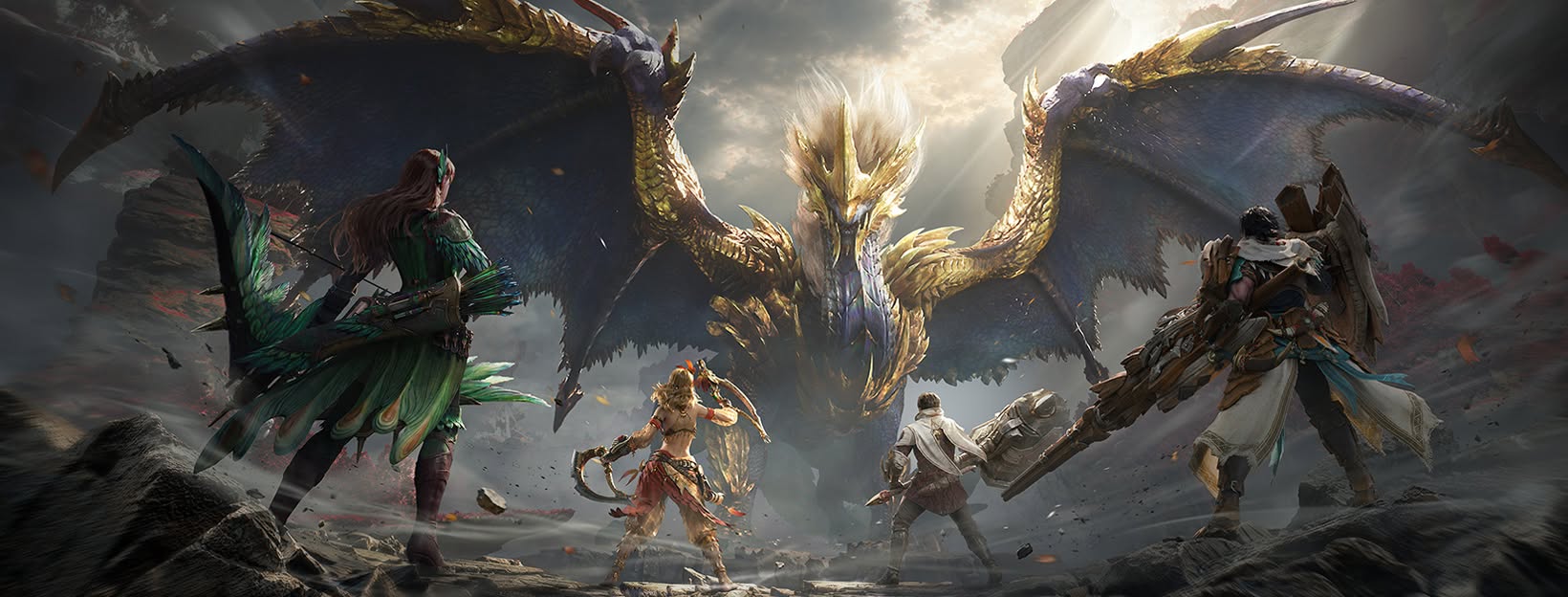
Monster Hunter Outlanders launches on October 29, 2026, and every hunt takes place on Aesoland, a brand new island split into regions with their own terrain, monsters, and secrets. This guide to the Monster Hunter Outlanders maps covers every location confirmed so far, what lives there, and how to get around faster. Fair warning, any information presented here is subject to change as the game is still not out yet!
All Monster Hunter Outlanders Locations
| Location | Terrain | Notable Monsters | Status |
| Kulune Village | Village hub | N/A | Home base |
| Giantwood Locale | Giant forest, outlands, swamps | Full list TBA | Seen in closed beta |
| Searing Plains | Desert, dunes, oases | Diablos, Radiant Diablos, Rathian, Pukei-Pukei | Seen in closed beta |
| Grand Archipelago | Coastal highlands, giant fungi | Rathalos, Radiant Rathalos, Legiana, Paolumu | New at launch |
| Rotfall Abyss | TBA | Odogaron (TGS 2026 demo) | New at launch |
How to Read the Map in Monster Hunter Outlanders
Aesoland is an island made just for this game. It is split into regions based on climate and terrain, and the developers built each region around the monsters that live there. That is why every map feels different, from towering forests to burning deserts.

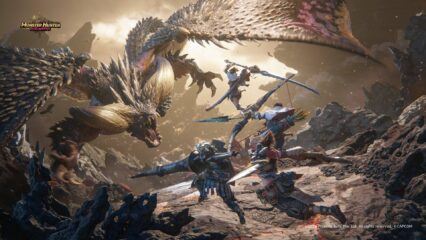
A rare mineral called Radiantite sits at the heart of the island. It powers the local village, but it also changes some monsters into Radiant Species. These versions look different, hit harder, act more aggressively, and can go into a frenzied state in the middle of a fight.
Exploring is a big part of the game, not just a walk between hunts. You run into monsters and gathering spots simply by roaming around, and each region starts out covered in fog. Restoring the watchtowers in an area clears that fog, opens up fast travel points, and adds helpful icons, so the map fills in as you explore.
Kulune Village: The Home Base in Monster Hunter Outlanders
Kulune Village is a small settlement on Aesoland and the base for your branch of the Adventurer’s Guild. The story starts here, as strange arrow shaped streaks of light called the Arcing Aurora appear in the sky. Local legend says they bring disaster, and they seem linked to the Radiantite the village depends on for energy.

This is where you prepare between trips into the field. It is home to key characters like village chief Bale and his niece Holly, while Commander Freya leads the Guild team you arrive with. A Gathering Hub for meeting other players has also been confirmed.
Giantwood Locale Map in Monster Hunter Outlanders
The Giantwood Locale is a forest that grew far beyond normal size. Giant trees reach into the sky, and their branches lock together into natural walkways high above the ground. This gives the map several layers, so a lot of the action happens up in the canopy as well as on the forest floor.
The region is rich in resources and stretches from rough outlands down to muddy swamps, where plant eaters and predators live side by side. Deeper inside, the official reveal hints at dangerous threats caused by upheaval in the environment. Along with the Searing Plains, it was one of the two regions open in the second closed beta.

A confirmed Giantwood monster list is TBA. For reference, the beta that opened this forest also brought Anjanath, Great Jagras, Tobi-Kadachi, and Paolumu to the roster, along with Radiant Anjanath and Radiant Barroth.
Searing Plains Map in Monster Hunter Outlanders
The Searing Plains is a huge, burning hot desert of rolling dunes and sharp rock formations. Temperatures swing hard between day and night, which often kicks up sandstorms. The few oases are where most life gathers, so monsters fight over them all the time.

The terrain has plenty of odd landmarks. Bedrock sticks out of the sand in strange shapes, including a rock that looks like half a dome, and there are cliffs wrapped in branches above a marshy pond. Rivers cut through parts of the desert too.
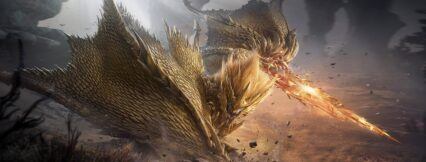
Based on the beta builds, the Searing Plains is home to Diablos, Rathian, and Pukei-Pukei, along with their Radiant versions. Radiant Diablos is the top predator here and one of the toughest hunts in the region.
Grand Archipelago Map in Monster Hunter Outlanders
The Grand Archipelago sits out in the ocean to the southeast of Aesoland. It is a coastal highland full of giant mushroom cliffs, purple grass, and violet trees, with shallow beaches and water below. Colorful fungi and sea algae form an ecosystem you will not see anywhere else, and nearby Radiantite turns some of the plants orange.

Players first got a taste of this region in the Tokyo Game Show 2025 demo. The full version arrives as one of two new regions at launch, with its own storyline and ecosystem.
Monsters seen here so far include Rathalos, Pukei-Pukei, Legiana, and Paolumu. Radiant Rathalos, which spits crystal fireballs, and Radiant Pukei-Pukei also roam the area. Small monsters like Kelbi and Raphinos, plus endemic life such as the Elegant Coralbird, Flashfly, and Vigorwasp, fill out the map.

Rotfall Abyss Map in Monster Hunter Outlanders
The Rotfall Abyss is the second new region coming at launch. It was first playable at Tokyo Game Show 2026, where press materials called it the Abyss of Decay. The producer later named it Rotfall Abyss, which looks like the final English name.
In the demo, players led a party on solo hunts and explored using the crafting system, and the target monster was Odogaron. The name points to a dark, decay themed area, but the terrain, full monster list, and unlock requirements are all TBA until launch.
Monster Hunter Outlanders Map Tools and Field Facilities
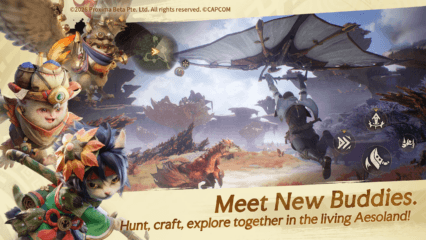
There are no mounts to ride across the map. Instead, Outlanders adds a building system, a first for the series, where you gather materials and place facilities right in the field. Rutaco Buddies, native to Aesoland, are skilled at building with tools and Radiantite. Here is what you can use:
- Watchtowers: Restore them to clear fog, unlock fast travel, and reveal map icons. Fixing them also pays out items and currency.
- Camps: Build and upgrade camps in the field. Mini camps work as fast travel points.
- Glider: Soar across gaps and drop into areas from above.
- Wind Platform: Creates an updraft so you can launch into a glide.
- Zipline: Zip quickly between two points.
- Catapult: Launches you toward a far away spot.
- BBQ Spit and Item Box: Series classics you can now place anywhere.
- Climbing: Scramble up cliffs and mountain sides.
For more on facilities and early base progress, read our Monster Hunter Outlanders Feline Secret Treasures and Base Prosperity guide.
Exploring Aesoland feels even better on a bigger screen. You can play Monster Hunter Outlanders on PC with BlueStacks, set up Game Controls to put gliding, ziplines, and dodges on your keyboard, and switch on High FPS for smoother hunts across every map.