MU Dark Awakening Beginner’s Guide Everything You Need to Know to Get Started
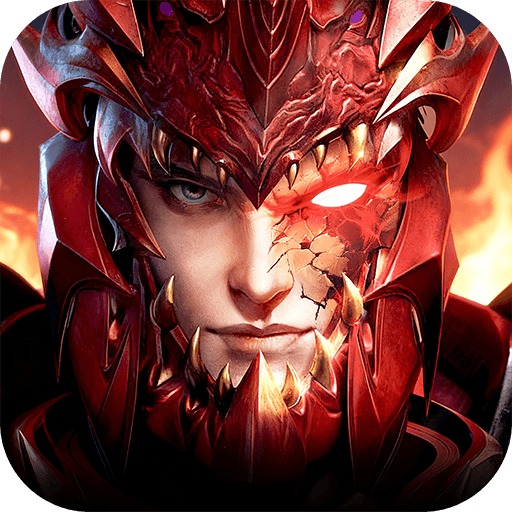
MU: Dark Awakening is the latest mobile entry in the long-running MU franchise, bringing the series’ familiar progression loop into a more visually advanced and PvP-focused experience. While it introduces large-scale 100-player battles and upgraded visuals, its core structure remains very similar to other recent MU titles, making it easy to pick up for both newcomers and returning players.
At its core, MU: Dark Awakening is built around automated quest progression, constant combat against monsters, steady gear upgrades, and long-term character growth. Most systems unlock naturally as you follow the main story, making this a straightforward game to learn even if you have no prior experience with MU games.
The Core Gameplay Loop in MU: Dark Awakening
The main gameplay loop in MU: Dark Awakening revolves around completing quests, defeating enemies, and improving your character’s combat power. Early on, the game heavily relies on automation, allowing players to focus more on progression decisions rather than manual navigation.

You’ll typically move through the world by selecting quests from the quest list, which causes your character to automatically travel to objectives, defeat enemies, and turn quests in. Combat can be handled manually or through auto-combat, depending on your preference.
As you progress, you’ll continuously upgrade equipment, unlock new skills, and increase your overall combat rating, which determines how easily you can clear higher-level content.
Classes in MU: Dark Awakening
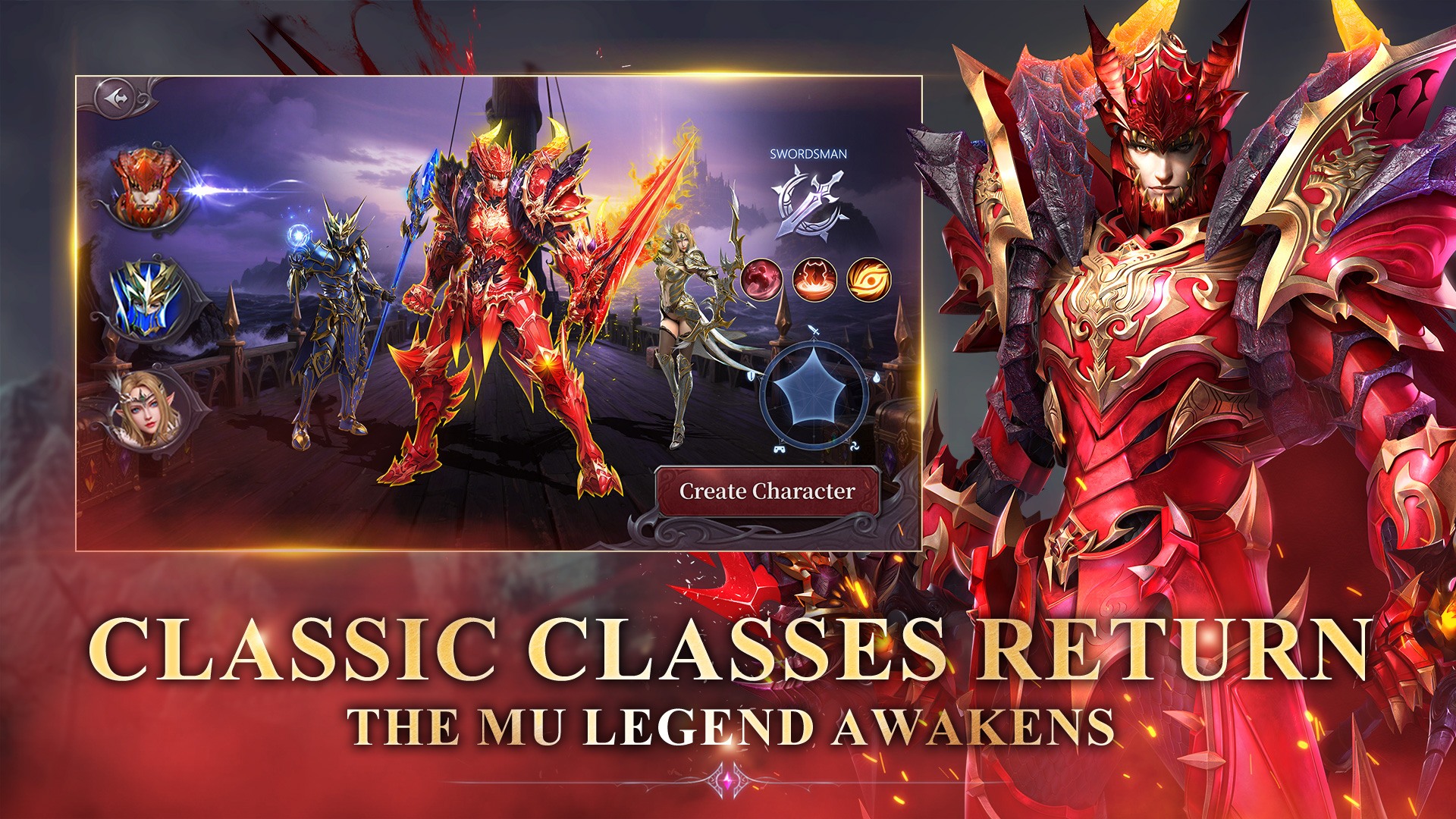
MU: Dark Awakening launches with three core classes, all of which are staples of the franchise. Unlike older MU titles, this game allows free class switching, meaning you can experiment without committing permanently to a single role.
Swordsman
The Swordsman specializes in close-range combat and durability. This class excels in melee encounters, has strong survivability, and performs well in both PvE grinding and PvP scenarios where sustained presence matters.

Mage
Mages focus on area-of-effect damage and burst attacks. They are well-suited for clearing groups of enemies quickly and shine in large-scale battles where crowd control and damage output are crucial.

Archer
Archers rely on ranged attacks, mobility, and consistent damage. With strong survivability and long attack range, they are effective in both solo play and chaotic PvP environments.

Because class switching is available, MU: Dark Awakening encourages players to try all three and settle into whatever feels most comfortable for their playstyle.
Main Story and Quest Progression
Progression in MU: Dark Awakening is primarily driven by the main questline. Following the story not only moves the narrative forward but also serves as the main tutorial for unlocking systems, features, and game modes.
Quests automatically guide your character across zones, introduce new enemies, and gradually raise the difficulty curve. Most major features, such as dungeons, boss challenges, and PvP content, unlock naturally as you advance through the story.

For new players, sticking closely to main quests is the fastest and most reliable way to level up and gain access to the game’s full feature set.
Combat and Skill Systems
Combat in MU: Dark Awakening is fast-paced but largely familiar to anyone who has played a MU game before. Skills are unlocked as your character levels up, with each class gaining access to active and passive abilities that enhance damage, survivability, or utility.
Skill usage can be automated during combat, making the game approachable even during longer grinding sessions. While manual input can offer more control, especially in PvP, auto-combat handles most PvE content efficiently.

As you progress, skill upgrades become a key part of increasing your overall effectiveness, particularly when tackling tougher enemies or participating in large-scale battles.
Equipment, Loot, and Progression Systems
Gear progression is central to MU: Dark Awakening. Equipment drops frequently from enemies, bosses, and activities, ensuring a steady sense of growth. Higher-quality gear offers better stats and directly increases your combat power.
Upgrading equipment through enhancement systems is essential to keeping up with content difficulty. As with other MU titles, gear progression is incremental and constant, encouraging long-term play rather than sudden power spikes.

In addition to active play, MU: Dark Awakening supports offline and AFK progression, allowing players to earn experience and loot even when not actively playing.
PvP and Large-Scale Battles
One of MU: Dark Awakening’s biggest selling points is its focus on massive PvP encounters. The game supports large-scale, cross-server battles involving up to 100 players on a single battlefield.
These PvP modes emphasize coordination, class roles, and sustained progression rather than short, isolated fights. Guild participation plays a major role here, encouraging players to join alliances and compete for dominance across servers.
While PvP is a major highlight, it remains optional early on, allowing new players to focus on PvE progression before engaging in competitive content.

MU: Dark Awakening doesn’t aim to reinvent the MU formula, but instead refines it with better visuals, smoother automation, and a stronger focus on large-scale PvP. Its beginner-friendly structure, free class switching, and guided progression make it easy to jump into, even for players unfamiliar with the franchise.
By following the main story, experimenting with classes, and gradually upgrading gear, new players can quickly get a solid grasp of how the game works. From there, MU: Dark Awakening opens up into a long-term MMORPG experience built around constant progression and large-scale battles. And for the best gameplay experience, don’t forget to play MU: Dark Awakening on PC with BlueStacks, through which you will find the best tools and features to enhance your progression and enjoyment.