RAID Shadow Legends – Complete Team Building Guide

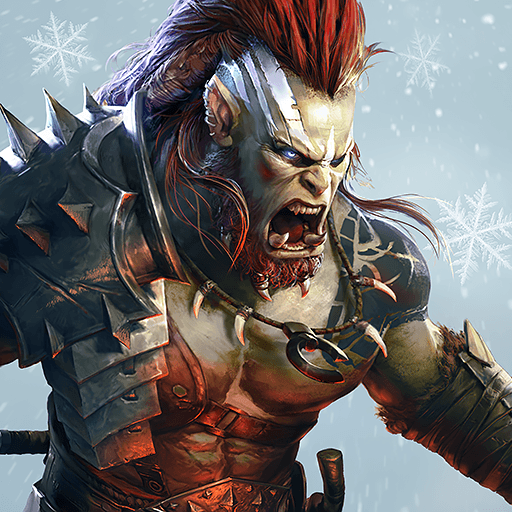
In RAID: Shadow Legends, team building forms the foundation of all progression, as players must select and synergize five champions to conquer dungeons, Clan Boss encounters, Arena battles, and more. Success hinges on understanding roles, gear priorities, and content-specific strategies to balance damage, debuffs, and sustainability.
This guide outlines proven steps from beginner setups to advanced optimizations, enabling efficient advancement even for free-to-play accounts.
What is a Team?
A team consists of five champions working together in battles across RAID: Shadow Legends. Teams are necessary because solo champions lack the synergy needed to overcome enemies with varied mechanics, such as shields in Fire Knight or affinity changes in Clan Boss. Without proper teams, players struggle in mid-to-late game content where waves demand crowd control and bosses require sustained debuffs.
Building starts with understanding champion roles: damage dealers for offense, debuffers to weaken foes, supports for buffs and control, healers or revivers for sustainability, and speed leaders for turn advantage. Early progression uses starter champions like Kael for damage, Warmaiden for Decrease Defense, and Reliquary Tender for revives in Lifesteal gear sets.

Core Principles of Team Building
Teams follow a balanced structure: two damage dealers, one debuffer, one support or control champion, and one reviver or healer. This composition handles waves and bosses by providing offense while maintaining team health through heals or Lifesteal gear. Synergy matters—pair poisons with counterattack for Clan Boss or multi-hit attackers like Royal Guard against Fire Knight shields.
Prioritize accuracy on debuffers (over 100 for endgame), critical rate and damage on attackers, and speed on leads like Apothecary (170+ base speed). F2P players focus on free champions: Kael (damage/debuffs), Spirithost (support), Apothecary (speed/heals), Warmaiden (debuff), and Reliquary Tender (revive). Gear universally with Speed and Lifesteal early for shared farming in Dragon and Ice Golem, transitioning to Perception or Stalwart for accuracy/resistance later.

Beginner Team Building Steps
Select champions from your roster matching required roles for the content. Level them to 60, book skills, and equip appropriate sets before testing in lower difficulties. For starters, farm Campaign 12-3 with Kael-led teams to gear up, then build dungeon clears.
Use tools like faction tier lists to identify synergies with owned champions. Test compositions in Normal difficulty, adjusting for survival (add heals if dying) or speed (boost turn meter if too slow). Avoid over-investing in rares early; prioritize epics like Warmaiden for Decrease Defense.
Early team example for dungeons: Kael, Warmaiden, Reliquary Tender, Apothecary, Spirithost—covers damage, debuffs, revive, speed, and support.
Advanced Strategies by Content
Clan Boss demands Decrease Attack (mandatory for damage reduction), stacked poisons (up to 10), and speed tuning (e.g., 2:1 ratio where team takes two turns per boss turn). Counterattack from Valkyrie or Skullcrusher doubles hits; healers or Leech replace Lifesteal on Nightmare+. Weaken aids early, Decrease Defense for high-defense Ultra-Nightmare; ally protect and buff extenders enhance survival.
Arena favors speed nukes: fast lead (Arbiter), turn meter boost, and AOE damagers to offense before enemy acts. Defense uses bulky unkillables with provoke and shields.
Dungeons specify needs—Spirit Keep requires heal reduction, Fire Knight multi-hits and block debuffs, Faction Wars faction-specific tanks/heals for waves. Doom Tower rotates boss weaknesses like bombs or poisons.

Speed Tuning and Optimization
Speed tuning aligns champion speeds precisely, using boosters like High Khatun or formulas (e.g., no one between 169-170 speed to avoid stealing turns). Calculate via tools or guides for Clan Boss ratios like 4:3 or unkillable 250-speed prints. Masteries like Rapid Response disrupt tuning, so omit them; prioritize Warmaster/Giant Slayer on attackers.
Iterate by simulating turns: faster team controls debuff uptime and damage windows. Accuracy scales with difficulty—Brutal needs 150+, Ultra-Nightmare 200+ against affinity debuffs.

F2P Progression and Common Mistakes
Free-to-play players advance by focusing on accessible champions and efficient farming paths. Stick to Campaign farming with Speed/Lifesteal gear until Dragon 20 for better pieces, then prioritize Minotaur for Perception sets. Build one strong team per content type rather than spreading resources thin—complete early-game milestones like 6-star Campaign and Normal Dungeons 16-20 before rares.
Common pitfalls include ignoring affinity weaknesses, which reduce debuff landing by 50% in enemy-affinity matchups, or neglecting masteries. Always check turn order in battles and adjust speeds accordingly. For Doom Tower and Faction Wars, rotate teams weekly based on requirements, using placeholders like Coldheart for poisons until better options arrive.

Continuous Improvement and Adaptation
Team building evolves with roster growth and account progression. Regularly review tier lists from reliable sources and test new champions in lower difficulties before committing resources. Join clans for Doom Destroyer rewards and shared knowledge on meta shifts, such as new unkillable teams or buff extender synergies.
Track stats like damage per key in Clan Boss to measure improvements, aiming for 100M+ on Nightmare with F2P setups. Experiment with hybrid roles, like poisoners who also Decrease Defense, to maximize slots. As you acquire legendaries, replace starters gradually while maintaining core synergies.

Mastering team building in RAID: Shadow Legends involves balancing roles, synergies, and precise stats like speed tuning across content types. Players who follow structured steps from beginner compositions to advanced optimizations progress steadily, tackling Clan Boss, Arena, and dungeons effectively. Apply these principles to your roster, test iteratively, and adapt to new challenges for sustained success. For the best gaming experience, play RAID: Shadow Legends on BlueStacks!