Infinity Kingdom Skills Guide Tower of Knowledge Skills Explained
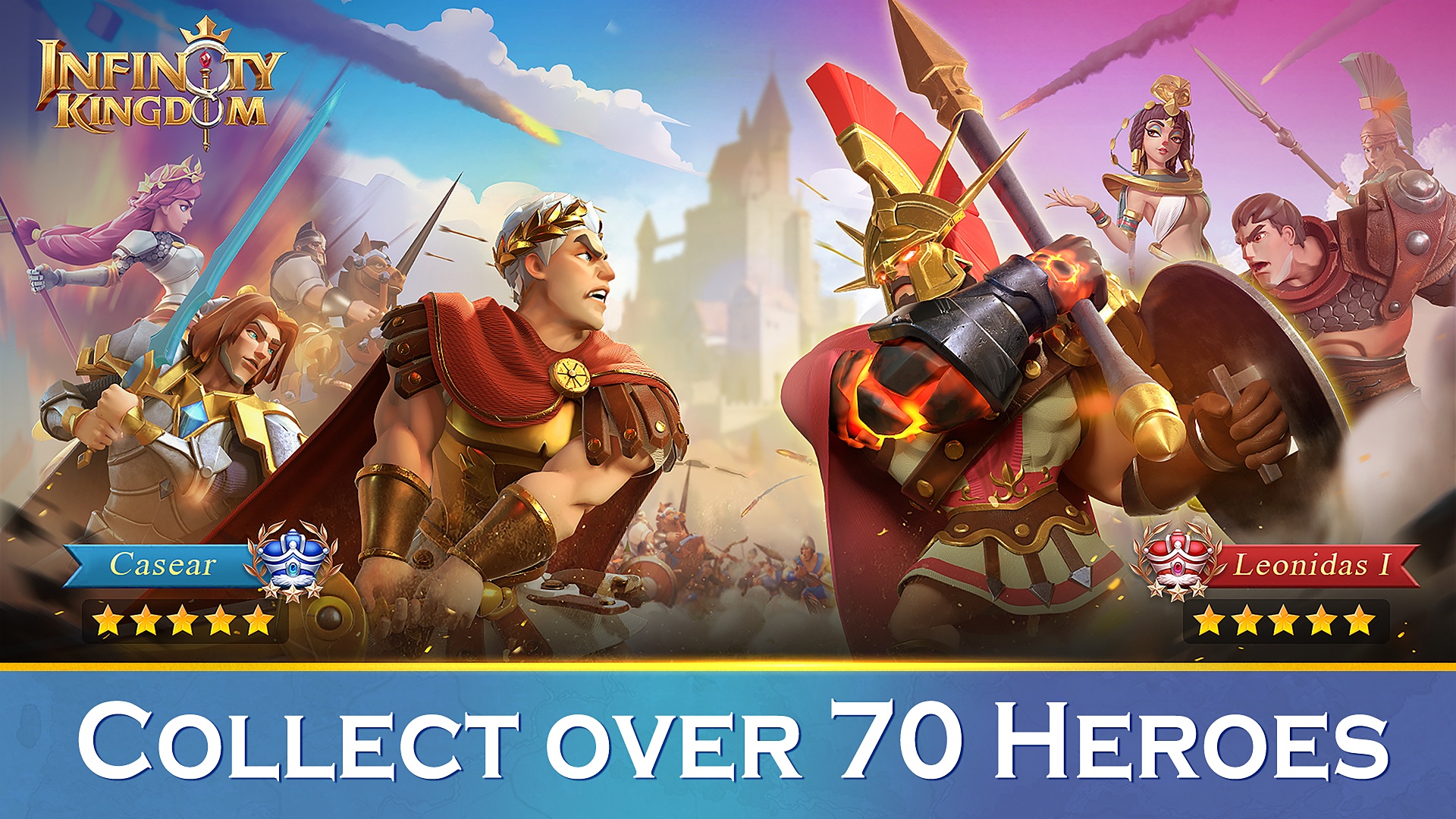

Infinity Kingdom does not use a traditional skill system where players manually assign points or control complex rotations during combat. Instead, most battles are automated, with Immortals attacking on their own and unleashing their signature abilities once their energy is fully charged.
In practice, skill customization in Infinity Kingdom revolves around two core systems. The first is the automatic combat skills tied directly to each Immortal. The second, and far more important system for long-term progression, is the Tower of Knowledge. This guide explains how skills function in Infinity Kingdom, what role the Tower of Knowledge plays, and how players should think about skill selection without overcomplicating the game’s design.
How Skills Work in Infinity Kingdom Combat
During combat, Immortals in Infinity Kingdom operate almost entirely on their own. Each Immortal performs basic attacks automatically, generating energy over time. Once enough energy has been accumulated, their signature skill becomes available and can be triggered by tapping the Immortal’s portrait. Aside from activating these skills when ready, players have little direct influence over ability usage once a battle begins.

There are no skill trees to manage mid-fight, no cooldown juggling, and no manual rotations. This design keeps battles fast and emphasizes preparation over execution. As a result, most meaningful decisions about skills happen before combat starts rather than during the fight itself.
The Tower of Knowledge and Skill Customization
The Tower of Knowledge is where Infinity Kingdom’s real skill system comes into play. This structure becomes available after upgrading your castle to level 12 and allows players to unlock additional skills that can be equipped to their Immortals. These skills modify how Immortals perform in battle by increasing damage, improving survivability, or providing utility effects for the entire army.
Tower of Knowledge skills do not replace Immortal abilities. Instead, they enhance and complement existing kits. Choosing the right skills can significantly impact performance, especially in higher-level content where damage scaling, survivability, and timing matter more than raw troop numbers. While combat remains automated, Tower of Knowledge skills shape the outcome long before armies clash.
Tower of Knowledge Skill Types Explained
Tower of Knowledge skills are divided into several categories, each serving a different purpose in battle. Understanding these types helps clarify why some skills are always active, while others only trigger under specific conditions.

Before diving into each category, it is important to note that skills are equipped directly to Immortals, and certain limitations apply depending on the skill type. With that in mind, Tower of Knowledge skills fall into the following groups:
- Passive Skills: Passive skills are always active once equipped. They do not require any trigger conditions and provide consistent bonuses throughout the battle. These often include increases to damage, defense, or other core stats.
- Triggered Skills: Triggered skills activate when specific conditions are met, such as a chance to trigger every few seconds or activating after a certain action occurs. Their value depends heavily on trigger frequency and how well they align with an Immortal’s attack patterns.
- Aura Skills: Aura skills apply their effects to the entire army rather than a single Immortal. Each Immortal can only equip one aura skill, making these choices particularly important for overall team composition.
- Blessing and Grace Skills: Blessings and Grace skills function the same way; the name was changed in later updates. These skills activate at the start of battle and last for a fixed duration, typically around twelve seconds. They provide strong early combat bonuses such as damage reduction or offensive boosts.
Each skill type fills a specific role, and their effectiveness depends on how well they fit into the broader army setup rather than their individual numbers alone.
Choosing Tower of Knowledge Skills Effectively
When selecting Tower of Knowledge skills, raw damage values should not be the only consideration. Skills gain their true value from how well they integrate with an Immortal’s role, attack cadence, and survivability. A skill that looks powerful on paper may underperform if battles end too quickly or if its trigger conditions are rarely met.
For example, some high-damage skills rely on delayed triggers or sustained troop counts to reach their full potential. In the current meta, where battles are often decided early due to burst damage and powerful ultimates, these skills may struggle to deliver consistent results. On the other hand, skills with reliable trigger intervals or constant passive bonuses tend to perform more consistently across different combat scenarios.

Players should also consider whether their Immortals favor critical hits, frequent damage instances, or steady output over time. Skills that scale with crit frequency or attack speed can outperform higher-ranked options when paired with the right Immortal and dragon setup. Ultimately, Tower of Knowledge skills should reinforce an existing strategy rather than define it on their own.
Infinity Kingdom’s skill system is less about active combat decisions and more about long-term preparation. Immortal abilities handle most of the work during battle, while Tower of Knowledge skills provide the depth and customization that shape overall performance. By understanding how skill types function and how they interact with different Immortal roles, players can make smarter choices without overcomplicating their builds.
If you want to manage your empire more comfortably and keep track of your progression with ease, playing Infinity Kingdom on PC with BlueStacks offers a smoother experience. With improved performance, a larger screen, and better control options, BlueStacks makes it easier to plan builds, manage your Tower of Knowledge, and stay focused on long-term strategy.