Truckers of Europe 3 Map Guide – Best Routes, Cities, and Driving Tips
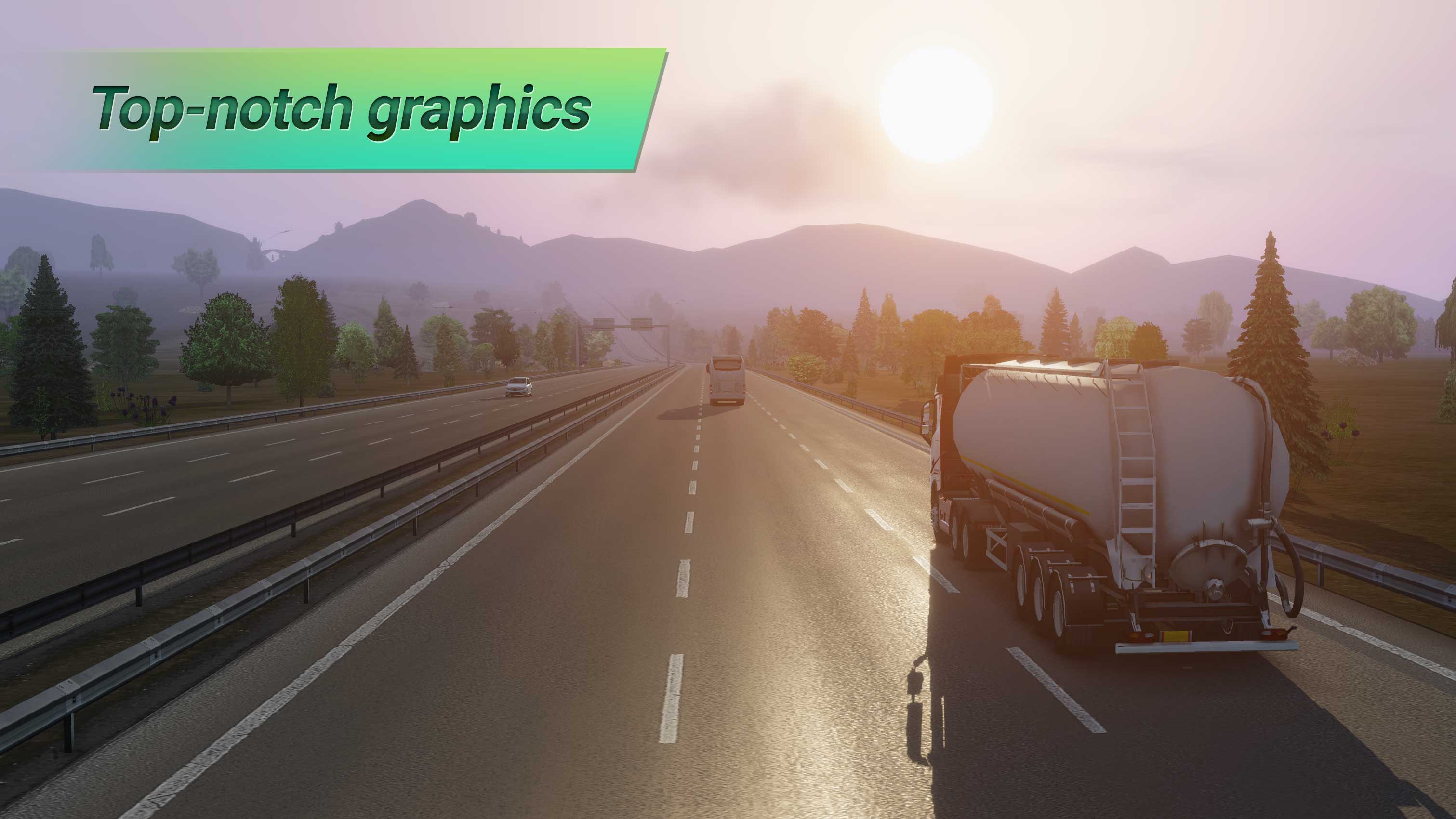
The map in Truckers of Europe 3 is one of the game’s biggest attractions. Unlike many mobile trucking simulators that feature small driving areas, Truckers of Europe 3 offers a large road network connecting numerous cities, highways, industrial zones, and rural areas. Understanding how the map works is essential for maximizing profits, completing deliveries efficiently, and enjoying a realistic trucking experience.

Whether you’re a new driver taking your first contracts or an experienced trucker expanding your business, learning the layout of the map can save time, reduce fuel costs, and help you choose the most rewarding routes.
Understanding the Map System
Truckers of Europe 3 features a European-inspired road network that includes highways, city streets, country roads, and industrial zones. Each region presents unique driving challenges, from narrow urban streets to long-distance highway routes.
The map is designed to encourage exploration. As you travel between cities, you’ll encounter different landscapes, weather conditions, traffic patterns, and delivery destinations. This variety keeps journeys engaging and requires drivers to adapt their driving style based on the route.
Unlike shorter delivery games, Truckers of Europe 3 rewards players who understand route planning and can manage long-haul trips efficiently.
Major Cities and Delivery Hubs
Most jobs begin and end in major cities spread throughout the map. These cities serve as economic centers where players can find contracts, fuel stations, repair facilities, and industrial delivery points.
| Location Type | Importance |
| Major Cities | High-paying contracts and frequent jobs |
| Industrial Areas | Cargo pickup and delivery points |
| Highway Connections | Faster long-distance travel |
| Service Stations | Repairs and fuel management |
As you unlock larger and more valuable contracts, you’ll find yourself traveling regularly between these important hubs.
Highways vs Local Roads
One of the first decisions drivers make is choosing between highway routes and local roads.
Highways are generally the fastest option for long-distance deliveries. They allow trucks to maintain consistent speeds, reduce travel time, and improve fuel efficiency. For players focused on maximizing profits, highways are often the preferred choice.
Local roads, however, offer their own advantages. They can sometimes provide shorter paths between nearby destinations and allow players to discover areas they might otherwise miss. The downside is increased traffic, tighter turns, lower speed limits, and more frequent stops.
Choosing the right route depends on the cargo, delivery deadline, and your familiarity with the map.
Best Routes for Beginners
New players should focus on shorter routes before attempting lengthy cross-map deliveries.
Short-distance contracts provide several benefits:
- Easier navigation
- Lower risk of accidents
- Faster completion times
- Steady income generation
- Better opportunity to learn road layouts
As you become comfortable with traffic rules and vehicle handling, you can gradually take on longer contracts that offer larger rewards.

A good strategy is to repeatedly drive between nearby cities until you become familiar with major highway connections and common delivery destinations.
Planning Efficient Deliveries
Successful trucking is about more than simply reaching the destination. Efficient drivers consider several factors before accepting a job.
Important considerations include:
- Total travel distance
- Fuel consumption
- Traffic conditions
- Road type
- Cargo value
- Delivery deadlines
A slightly longer highway route may actually be more profitable than a shorter local road because it allows higher average speeds and fewer delays.

Before starting a journey, review the route carefully and identify potential fuel stops or service stations along the way.
Managing Fuel Across the Map
As delivery distances increase, fuel management becomes increasingly important. Running out of fuel in the middle of a long trip can result in wasted time and reduced earnings.
When driving unfamiliar routes:
- Refuel before long trips.
- Keep an eye on fuel levels.
- Learn the locations of major service stations.
- Avoid unnecessary detours.
- Maintain smooth driving speeds.
Aggressive acceleration and excessive braking can significantly increase fuel consumption over long distances.
Navigating Urban Areas
City driving requires a different approach compared to highway travel.
Urban environments typically feature:
- Lower speed limits
- Dense traffic
- Tight intersections
- Traffic signals
- Narrow delivery zones
Many accidents occur within city limits because drivers carry too much highway momentum into slower areas. Reducing speed early and planning turns carefully can prevent costly mistakes.

When approaching delivery points, take your time and position your truck carefully to achieve better parking scores.
Long-Haul Driving Tips
Long-distance deliveries represent some of the highest-paying jobs in Truckers of Europe 3, but they also require greater concentration.
For successful long-haul trips:
- Stay in the correct lane.
- Anticipate traffic changes.
- Avoid speeding penalties.
- Maintain safe following distances.
- Plan fuel stops in advance.
The more efficiently you complete these routes, the faster you’ll earn money for truck upgrades and business expansion.
Exploring the Entire Map
Many players focus solely on profitable routes, but exploration offers its own rewards. Visiting new cities helps you become familiar with alternate roads and uncover additional contract opportunities.

As your experience grows, you’ll begin recognizing:
- Fastest highway corridors
- High-traffic areas
- Efficient delivery loops
- Reliable fuel station locations
- Challenging mountain and rural routes
This knowledge becomes increasingly valuable when managing longer and more complex jobs.
Common Navigation Mistakes
One of the biggest mistakes beginners make is relying entirely on GPS directions without considering road quality. While the navigation system provides a route, it may not always be the most efficient option.
Other common mistakes include:
- Ignoring fuel levels
- Taking unfamiliar shortcuts
- Speeding through cities
- Missing highway exits
- Accepting contracts without checking distance
Avoiding these errors can save significant time and money throughout your trucking career.
Final Thoughts
The map in Truckers of Europe 3 is more than just a collection of roads—it is the foundation of the entire gameplay experience. Learning city locations, understanding highway networks, planning efficient routes, and managing fuel effectively will help you complete deliveries faster and earn greater rewards. The more familiar you become with the map, the easier it becomes to identify profitable routes and build a successful trucking career.
For the best gameplay experience, play Truckers of Europe 3 on BlueStacks and enjoy enhanced performance, improved controls, and a more comfortable way to manage your trucking operations on PC.