Where Winds Meet Skills Guide – Martial Arts, Inner Ways, and Mystic Skills Explained

Where Winds Meet gives you a lot of freedom to fight, explore, and role-play however you like, but most of that depth comes from its three main skill systems: Martial Arts, Inner Ways, and Mystic Skills. Understanding how these work, how they interact, and how to unlock and upgrade them will make a much bigger difference than just grinding levels or swapping gear at random.
This guide focuses on explaining each category, the basics of how you obtain and level them, and some practical build advice so you can put together a clean, efficient setup without having to look up every single skill individually.
If you plan to play a potential mobile version of Where Winds Meet in the future, remember that the game is demanding even on PC and PS5. As such, playing it on PC with BlueStacks will likely be the most stable way to enjoy high frame rates and precise combat once a mobile client appears.
Types of Skills in Where Winds Meet
Where Winds Meet divides combat and character progression into three broad skill types that work together:
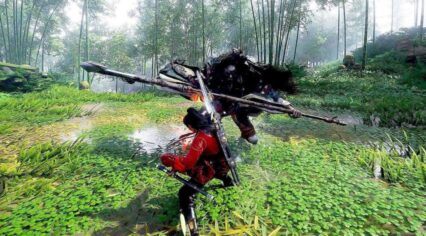
- Martial Arts: Your active weapon techniques – combos, gap closers, heals, and defensive moves tied directly to the weapons you equip.
- Inner Ways: Passive “internal arts” that boost your stats or modify skills in combat, sometimes for specific weapons and sometimes universally.
- Mystic Skills: Utility and special abilities that sit on top of your core combat kit, including offensive nukes, mobility tools, puzzle-solvers, and general utilities like parry assists.

You’ll spend most of your time fine-tuning how these three layers interact. A solid build usually starts from a Martial Art you like, then adds Inner Ways and Mystic Skills that support that style instead of fighting against it.
Martial Arts
Martial Arts are the backbone of your combat build. Each path represents a fighting style that is tied to specific weapons, and every Martial Art comes with its own set of active skills, combos, and role focus. Some paths are highly mobile single-target DPS, others specialize in ranged pressure or full party support.

There are certain specifications related to Martial Arts:
- Weapon-bound skills: You can only use a Martial Art if you have one of its related weapons equipped (for example, certain sword paths share spears, fans, or umbrellas).
- Two Martial Arts at once: You can equip up to two Martial Arts in combat, effectively creating a “main” and “off-hand” style.
- Build-defining roles: Some Martial Arts are pure DPS, others are defensive or support-oriented. Your choices here largely define whether you play as a bruiser, healer, ranged kiter, or hybrid.
How to unlock Martial Arts
You won’t get all Martial Arts from the main story. To build out your arsenal, you’ll need to:
- Do Martial Art Sanctums and Skill Theft: Sneak into sanctums, avoid or deal with guards, open chests, and steal techniques from masters. This is the main way to acquire many advanced paths.
- Progress the story and side content: Some Martial Arts are tied to quests, sect progression, or key story beats.
- Visit specific NPCs and vendors: A few basic styles or scrolls are sold or rewarded by particular NPCs; always check shops in new towns.

If you’re unsure how to get a locked Martial Art, open the Develop > Martial Arts menu, select it, and use the “Obtain” hint. The game will usually mark a region, sanctum, or quest chain for you.
Upgrading Martial Arts
Each Martial Art levels independently:
- Tier and level: Skills start at lower tiers and can be raised by investing materials and Martial Arts tips, increasing damage, hit counts, or secondary effects.
- Breakthroughs: Higher tiers require special “custom tips” or notes that are easiest to buy regularly from shops using currencies like Jade Fish.
- Synergy with gear: Some equipment adds bonuses to specific Martial Arts (extra hits, cooldown reduction, etc.). If you love a style, invest both your upgrade materials and your tuning resources around it.

Pick one main Martial Art that matches your preferred role and invest heavily there first. Use your second Martial Art to cover a weakness (for example, adding Panacea Fan for healing or a ranged path for safety). This is much more efficient than half-levelling everything you unlock.
Inner Ways
Inner Ways act as your passive skills and buffs. They only work in combat, but they can dramatically change how strong your weapon styles feel once they’re tuned to match your build.
There are two types of Inner Ways:
- Universal Inner Ways work with any weapon.
- Martial Art-linked Inner Ways only do something if you’re using a specific Martial Art or weapon.

You can equip up to four Inner Ways at once, mixing universal and weapon-specific options. However, there are no automatic checks and the game will happily let you equip an Inner Way for a weapon you never touch, so you have to read the descriptions yourself. Because you only have four slots, wasting one on the wrong weapon or a redundant effect is one of the easiest ways to nerf your own damage without realizing it.
How to unlock Inner Ways
There are several routes:
- Buying Torn Pages from merchants: Many Inner Ways are tied to Torn Pages sold by specific vendors. In the Inner Way menu, select the one you want and check the “more info” button – the game can mark the merchant directly on your map.
- Following Inner Way legacy clues: Some are unlocked by solving in-world puzzles or quest chains. Use Main Menu > Develop > Inner Way > Comprehend Inner Way > Comprehend the Clue and then “Explore” to have the game highlight a region where the trigger lives.
- Completing Martial Art Sanctums: Stealing certain Martial Arts or clearing all chests within a sanctum can also grant an Inner Way linked to that style as a reward.

If you’re specifically chasing a spear or fan build, it’s worth unlocking the relevant Martial Art sanctum early so you can grab both the technique and its matching Inner Way.
Upgrading Inner Ways
Inner Ways use a tiered upgrade system:
- Tips: Each Inner Way needs its own Tips (e.g., “Sword Morph Tips”) to go from Tier 1 to Tier 2 and beyond.
- Buying Tomes: The most reliable way is buying random Tip tomes from the Inner Way shop; you can purchase a limited number each week.
- Tips Exchange & Conversion:
- Tips Exchange lets you recycle unwanted Tips into Vintage Bookmarks and then buy Recommendation Tomes that favour the weapon you actually play.
- Inner Way Conversion allows you to swap the Tip counts between two high-rarity Inner Ways a few times per season, which is useful if you invested in the wrong one early.

One of the worst beginner mistakes in Where Winds Meet is spreading out their skill upgrades. We suggest you start with a mix of 2–3 weapon-specific Inner Ways that boost your main Martial Art and 1–2 strong universal choices (survivability, damage, or resource gain). Only upgrade Inner Ways that clearly interact with your current playstyle, as converting random Tips into something you actually use is much better than spreading upgrades across everything.
Mystic Skills
Mystic Skills are your “special” abilities that sit on top of your weapon and passive setup. They handle big AoE hits, crowd control, mobility, puzzle interaction, and general utility. There are 40 in total, split into three main categories.

Offensive Mystic Skills
Offensive Mystic Skills are the combat-focused and puzzle-solving abilities you slot on the dedicated Mystic bar on the right side of the HUD.
You can equip up to eight at a time, four per row, and swap rows on the fly. A common setup is one row for combat and another for exploration/puzzles. Casting Offensive Mystic Skills consumes Vitality, shown as a white ring on the Mystic bar. You restore Vitality by hitting enemies or touching Boundary Stones.
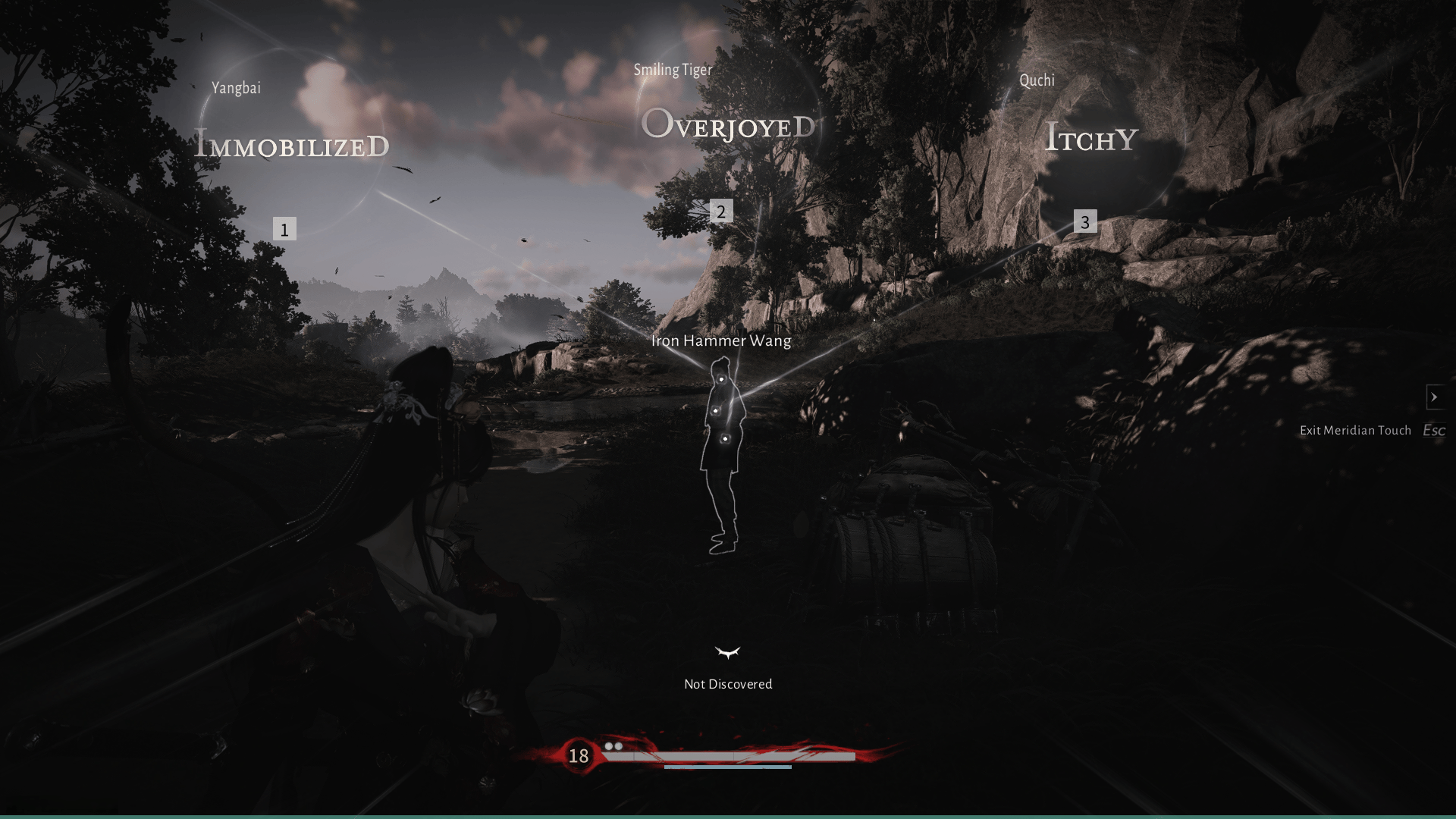
There are several “sub-categories” of offensive Mystic Skills, including puzzle tools (like Tai-Chi or Meridian Touch), area damage, area debuffs, single-target control, single-target burst, and support skills such as buffs or heals, among others.
Unlocking Offensive Mystic Skills
Most of these are obtained by:
- Timing Comprehension mini-games: You sit and observe someone performing the technique and tap at the right moments to “understand” it.
- Side quests or world events: Some Mystic Skills are rewards from mini questlines or NPC interactions.
The quickest way to track one is to highlight it in the Mystic Skills menu and select “How to Learn”; the game will mark the relevant area on your map.
Upgrading Offensive Mystic Skills
Most Offensive Mystic Skills can be upgraded. Upgrades improve duration, damage, radius, or similar stats. Each tier of skills uses specific materials, often gathered in the open world. Keeping at least your main damage and utility Mystic Skills upgraded will noticeably smooth out both combat and puzzles.
General Mystic Skills
General Mystic Skills function more like toggles or utilities than attacks. They don’t consume Vitality, Use dedicated hotkeys rather than occupying the Mystic bar, and remain available in combat and often support defensive or special mechanics.
Only a couple, like Star Shift (which raises your Insight resource for assisted parries) and Touch of Death (execute-style damage), can be upgraded. These upgrades require special resources but are worth doing if you lean on assisted deflection or execute mechanics.
The good news is that General Mystic Skills unlock naturally as you progress the story and systems; you don’t need to chase them the way you do with many Offensive Mystic Skills.
Movement Mystic Skills
Movement Mystic Skills cover everything related to traversal and include the following:
- Lightness Skills: Long-distance traversal abilities with different animations; used to cover big stretches of terrain quickly.
- Wall Run Skills: Let you run and jump along walls, cliffs, and vertical surfaces.
- Base movement skills: Triple jump, air/ground dash, ground pound, and a variation that triggers after Lightness Skills.
- Diving: Abyss Dive enables underwater exploration, limited by your air meter.
These are tightly tied to your exploration level in each region. New Lightness and Wall Run skills unlock as you raise that level by exploring points of interest, completing activities, and generally combing through the map. None of them can be upgraded, so the main “progression” here is unlocking them as early as possible to speed up everything else you do.
Our recommendations when it comes to Mystic Skills are to aim for a balanced loadout. A good example of this could be the following:
- 2–3 combat Offensive Mystic Skills that match your role (burst tools for bosses, CC or AoE for mobbing).
- 1–2 puzzle skills that you keep on a separate row for exploration.
- Keep Star Shift upgraded if you rely on assist parries, and maintain high Vitality by turning in Oddities (Melodies of Peace) so you can actually cast your best skills consistently.
A strong Where Winds Meet build doesn’t come from chasing every single unlock at once; it comes from layering these three systems around a clear playstyle. Pick one or two Martial Arts you enjoy, equip Inner Ways that directly support those weapons, and then round things out with Mystic Skills that give you the tools you’re missing; whether extra mobility, crowd control, or burst.
Once a mobile client becomes available, running Where Winds Meet on BlueStacks will let you keep all of this complexity under control with sharper performance, cleaner inputs, and easier keybind customization compared to standard mobile hardware. That way, you can focus on mastering your skills instead of fighting your frame rate.