God Rivals: RPG Roguelike Beginner's Guide - Combat and Progression Systems Explained

God Rivals: RPG Roguelike is a dark fantasy experience that challenges players to navigate a world of chaos filled with relentless enemies and godlike bosses. Unlike typical action games where you can simply overpower your foes with raw strength, this title demands quick adaptation and tactical intelligence during every run. Our God Rivals: RPG Roguelike beginners guide will shed light on some of the core gameplay systems and provide some helpful insight on what to prioritize!
Understand the Combat Mechanics of God Rivals: RPG Roguelike
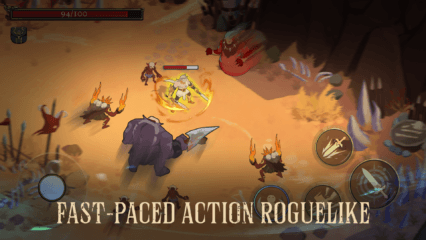
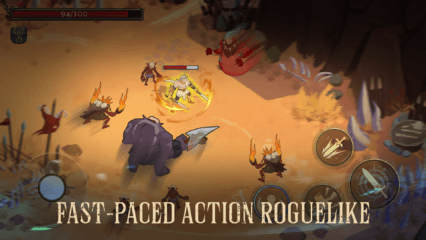
In God Rivals: RPG Roguelike, the combat system is very unique and satisfying. It’s a complete ARPG with many roguelike elements such as choosing specific powers, clearing out different areas, and eventually battling it out against mythical bosses. The game is loaded with multiple types of enemies that you will need to strategize against. Speed and power will be your main focus as clearing enemies will be quite challenging as you move forward to more difficult levels. Let’s break down some of the core control mechanics going forward.
For your movement of character, a virtual joypad is given that can be used via touch or tap on the screen. Being a mobile game, the controls are well optimized for the handheld devices, complete with the ability to lower graphics and frame rates for low-end devices. Now, each character in God Rivals: RPG Roguelike has 3 different types of skills:

Basic Attack – This is the classic basic attack that changes for each character. You need to click the basic attack button to trigger this attack onto enemies.
Special Attack – Special attacks are unique abilities that are unique to each character in the game. They have their own dedicated button that can be pressed to trigger the ability.
Ultimate attack – As the name itself might suggest, the ultimate abilities are the core aspect for any character in the game. These abilities usually deal massive damage but go on long cooldowns after each use. Players can press the ultimate ability button to trigger them.

Dash – A dash mechanic is also present in God Rivals: RPG Roguelike. It’s denoted by the Dash button represented by the running shoes icon. Using Dash, your character will move some distance in the specified direction. It’s a great way to avoid enemy projectiles and re-position yourself.
Setting up your Early Game Upgrades
The most common trap for new players is treating God Rivals like a simple damage race. While high-damage upgrades are visually tempting and help clear the earliest enemies quickly, surviving the initial zones is actually the most critical part of a successful build. The first few areas are designed for building momentum and establishing a stable foundation for the much harder encounters waiting in the later stages.

When you are presented with your first set of upgrades, it is often smarter to choose sustain over raw power. Prioritize picks such as health boosts, defensive shields, and dodge or mobility improvements. Even cooldown reduction is a top-tier early choice because it allows you to use your defensive and utility skills more frequently. Accepting a slightly slower clear speed in the beginning is a fair trade for the overall stability required to reach the deeper, more rewarding zones of the game.
Energy Management and Strategizing for Waves of Enemies
God Rivals does not rely on completely random enemy spawns. Instead, it follows a structured system of wave escalation. Most encounters are built on timing-based patterns where weaker melee mobs serve as the first wave, often followed by ranged pressure units or elite threats. By paying attention to these repeated patterns, you can learn to position yourself proactively rather than reacting too late to a dangerous spawn.
If you know that ranged enemies typically appear after the second melee wave, you can save your movement skills specifically for that transition. This level of awareness dramatically improves your survivability and keeps you from being overwhelmed by overlapping threats. Constant movement is your most effective defensive tool because standing still for too long is the fastest way to end a promising run.

Try to move in controlled circular paths during combat rather than panic-dodging in random directions. Circular movement helps maintain consistent spacing and keeps enemy attack patterns predictable while allowing you to bait projectiles into open spaces. In the high-stakes world of God Rivals, your ability to manage the arena through movement often matters more than your raw defensive statistics.
Choosing the Best Upgrades in God Rivals: RPG Roguelike
A major hurdle for many beginners is the urge to always select the highest rarity upgrade available. While rare skills provide powerful standalone effects, they are often less effective than lower-tier upgrades that perfectly synergize with your current setup. God Rivals is built to reward cohesive builds where abilities enhance one another.
For example, if your current hero build is focused on rapid cooldown cycling, adding a basic cooldown-reduction effect is more valuable than a high-rarity burst skill that does not benefit from your existing buffs. Similarly, if your strategy relies on area damage, increasing your AoE radius will often result in better performance than adding an unrelated single-target attack. Always consider how a new upgrade connects to your current abilities before making a choice based solely on the color of the skill icon.

The game encourages heavy experimentation with different playstyles, such as aggressive close-range builds, sustained ranged setups, or cooldown-heavy ability loops. Testing these various styles will help you discover which mechanical approach best matches your personal reflexes and decision-making speed.
Preparing for Boss Fights in God Rivals: RPG Roguelike
In the heat of a roguelike run, it is tempting to use your strongest abilities as soon as they are off cooldown, but this can lead to disaster when an elite enemy appears. Regular enemies should be handled with basic attacks and minor skills, while your high-damage burst cooldowns should be reserved for elite encounters and mini-bosses. Eliminating these major threats quickly is essential to prevent them from overwhelming the arena with pressure.
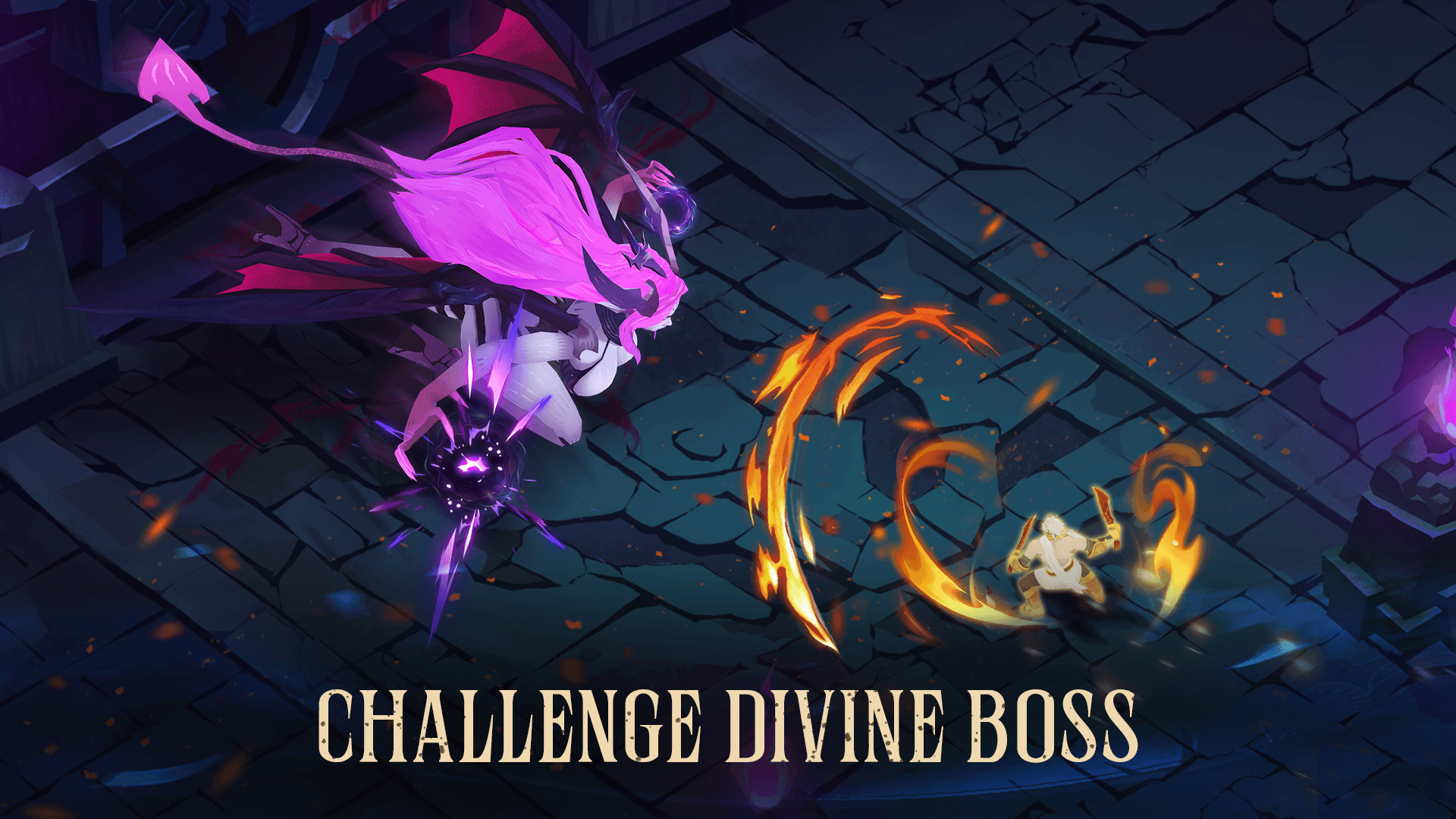
Bosses in God Rivals are designed to test your mastery of the RPG system and your physical reflexes. Every major boss attack is preceded by a visual telegraph, such as a wind-up animation, a glowing effect, or a directional indicator on the floor. Beginners often fail because they focus too much on dealing damage and miss these critical warning signals.
Spend your first few encounters with a boss observing their attack flow rather than forcing damage. Look for safe zone openings and recovery windows that occur immediately after the boss commits to a large attack. Once you understand the rhythm of their animations, even the most godlike enemies become manageable.
Players can enjoy playing God Rivals: RPG Roguelike on a bigger screen of their PC or Laptop via BlueStacks along with your keyboard and mouse.