God Rivals Tips and Tricks Guide: Smart Ways to Survive Longer and Build Better Runs
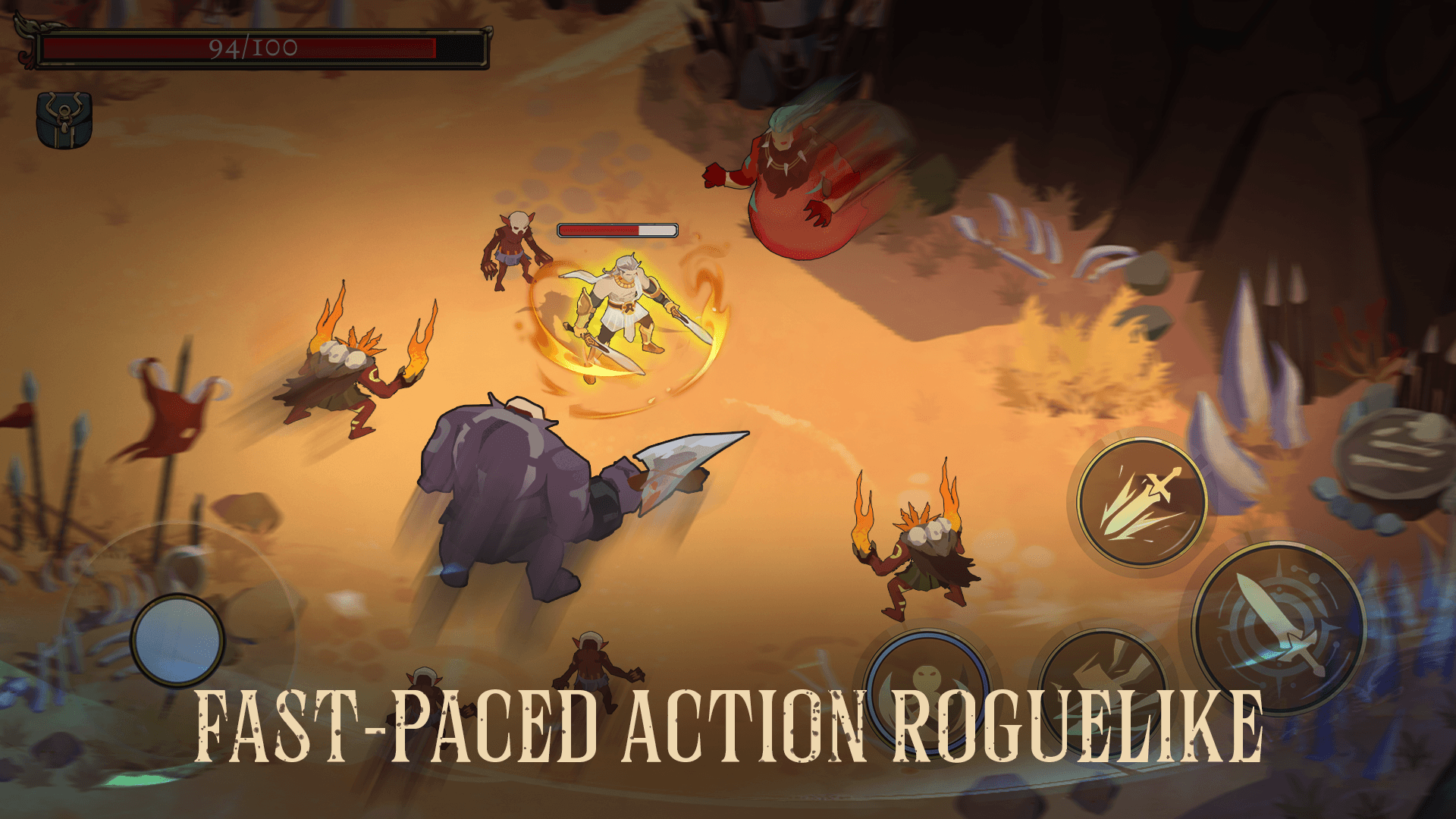

God Rivals: RPG Roguelike is not the kind of roguelike where you can simply spam attacks and hope raw upgrades carry you. The game is built around momentum, quick adaptation, and making the right decisions during every run. Since enemy encounters, upgrade choices, and boss mechanics shift constantly, success comes from understanding patterns rather than relying on luck.
A lot of new players make the mistake of treating every run like a damage race. In reality, God Rivals rewards patience, positioning, and efficient build paths far more than reckless aggression. If you want to clear deeper stages and make every run count, these tips will help you play smarter.
Prioritize Survival Over Early Damage
One of the biggest traps in God Rivals is grabbing every offensive upgrade you see early.
High-damage upgrades look tempting because they help clear weaker enemies faster, but surviving longer matters far more in the early game. The first few zones are where you build momentum for the rest of the run. If your survivability is weak, later encounters will punish every mistake.

When choosing your first upgrades, balance offense with sustain.
Good early picks usually include:
- Health boosts
- Dodge or mobility improvements
- Defensive shields
- Cooldown reduction
A slightly slower clear speed is worth it if it means reaching later stages with stronger overall stability.
Learn Enemy Spawn Timing
God Rivals follows structured wave escalation. Enemies do not spawn completely randomly. Most encounters follow timing-based patterns where weaker mobs appear first, followed by ranged pressure units or elite threats.

Pay attention during repeated runs. Once you recognize these patterns, you can position yourself before dangerous enemies arrive instead of reacting too late.
For example, if ranged enemies tend to appear after the second melee wave, save movement skills for that moment rather than wasting them earlier.
This small adjustment dramatically improves survivability.
Build Around Skill Synergy, Not Rarity
A common mistake is always choosing the highest rarity upgrade. Rare upgrades often provide stronger standalone effects, but they are not always the best choice for your current build. God Rivals rewards synergy. A lower-tier upgrade that enhances your existing abilities is usually more valuable than a powerful isolated skill.
For example:
If your build focuses on rapid cooldown cycling, adding another cooldown-reduction effect creates exponential value.
If your build relies on area damage, boosting AoE radius often performs better than adding unrelated burst attacks.
Think about how each upgrade connects to your current setup.
Use Movement as Your Main Defense Tool
Standing still for too long is one of the fastest ways to lose a promising run. Enemy pressure in God Rivals ramps up quickly, especially during elite encounters and boss transitions.
Constant movement gives you several advantages:
It lets you reposition around projectiles, bait enemy attacks into open space, and create better attack windows. Try moving in controlled circular paths rather than random panic dodging. This helps maintain spacing while keeping enemy attacks predictable. Good movement often matters more than raw defensive stats.
Save Burst Skills for Elite Encounters
Using your strongest abilities the moment they become available feels natural, but it often wastes their potential. Regular enemies can usually be handled through basic attacks and smaller skills. Elite enemies and mini-bosses are where burst damage matters most. Saving your strongest cooldowns for these moments lets you eliminate major threats quickly before they overwhelm the arena. This is especially important when multiple pressure enemies overlap. Efficient cooldown timing often separates failed runs from successful ones.
Watch Boss Telegraphs Carefully
Bosses in God Rivals rely heavily on visual telegraphs. Every major attack gives some warning through movement, glowing effects, arena indicators, or animation shifts.
New players often focus too much on attacking and miss these signals. Spend your first few bosses encountering learning patterns instead of forcing damage.
Observe:
- Wind-up animations
- Directional indicators
- Safe zone openings
- Recovery windows

Once you understand the attack flow, bosses become significantly easier. Most boss damage opportunities happen immediately after large attack commitments.
Reset Weak Runs Early
Not every run is worth forcing. If your early upgrade path lacks synergy or your resource drops are poor, restarting can save time.
This is especially true if you are pushing progression. Experienced roguelike players know that efficient resets lead to faster long-term advancement than dragging weak runs forward. If your build feels scattered by the second major zone, consider starting fresh. A strong opening foundation matters.
Experiment With Different Playstyles
God Rivals is designed for experimentation. Sticking to one familiar strategy limits your understanding of the game’s systems.
Try different approaches:
- Aggressive close-range builds
- Sustained ranged setups
- Cooldown-heavy ability loops
- Defensive attrition builds

Testing new styles helps you discover what matches your reflexes and decision-making best.
Sometimes the strongest build for another player simply will not fit how you play.
Upgrade Permanent Progression Consistently
Temporary run upgrades are important, but permanent account progression is what pushes long-term success. Spend earned resources carefully.
Focus on upgrades that improve:
- Core survivability
- Skill efficiency
- Resource gain
- Early-run consistency
- Avoid spreading resources evenly across everything.
- Specialized upgrades create stronger power spikes.
- A focused progression path always beats scattered investment.

Play on PC for Better Control Precision
Since God Rivals depends heavily on movement accuracy and quick reactions, precise controls make a real difference. Playing on BlueStacks gives you smoother movement, better reaction timing, and more accurate skill activation through keyboard and mouse controls. For a fast-paced roguelike where dodging and positioning often decide survival, that added precision can noticeably improve performance during deeper runs.
Final Thoughts
God Rivals rewards players who think ahead, adapt quickly, and treat every run as a learning opportunity. The key is not brute-forcing your way through tougher encounters. It is understanding enemy patterns, building smarter synergies, and knowing when to adjust your strategy. Master those fundamentals, and every defeat becomes useful progress toward your next breakthrough run.