RAID Shadow Legends – Learn Everything About Champions, Gear, Farming and Combat
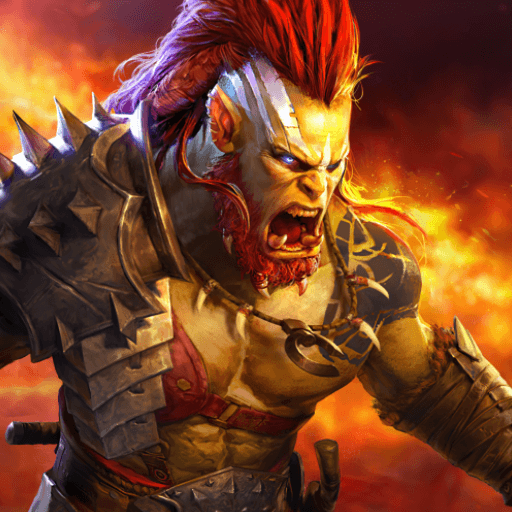
RAID: Shadow Legends is one of the most extensive gacha games we have ever had the pleasure of playing. Years after launch it is still growing, with a roster that now sits at over 900 champions, sixteen factions, and a long list of game modes that stretch from a simple campaign all the way to month long endgame challenges.
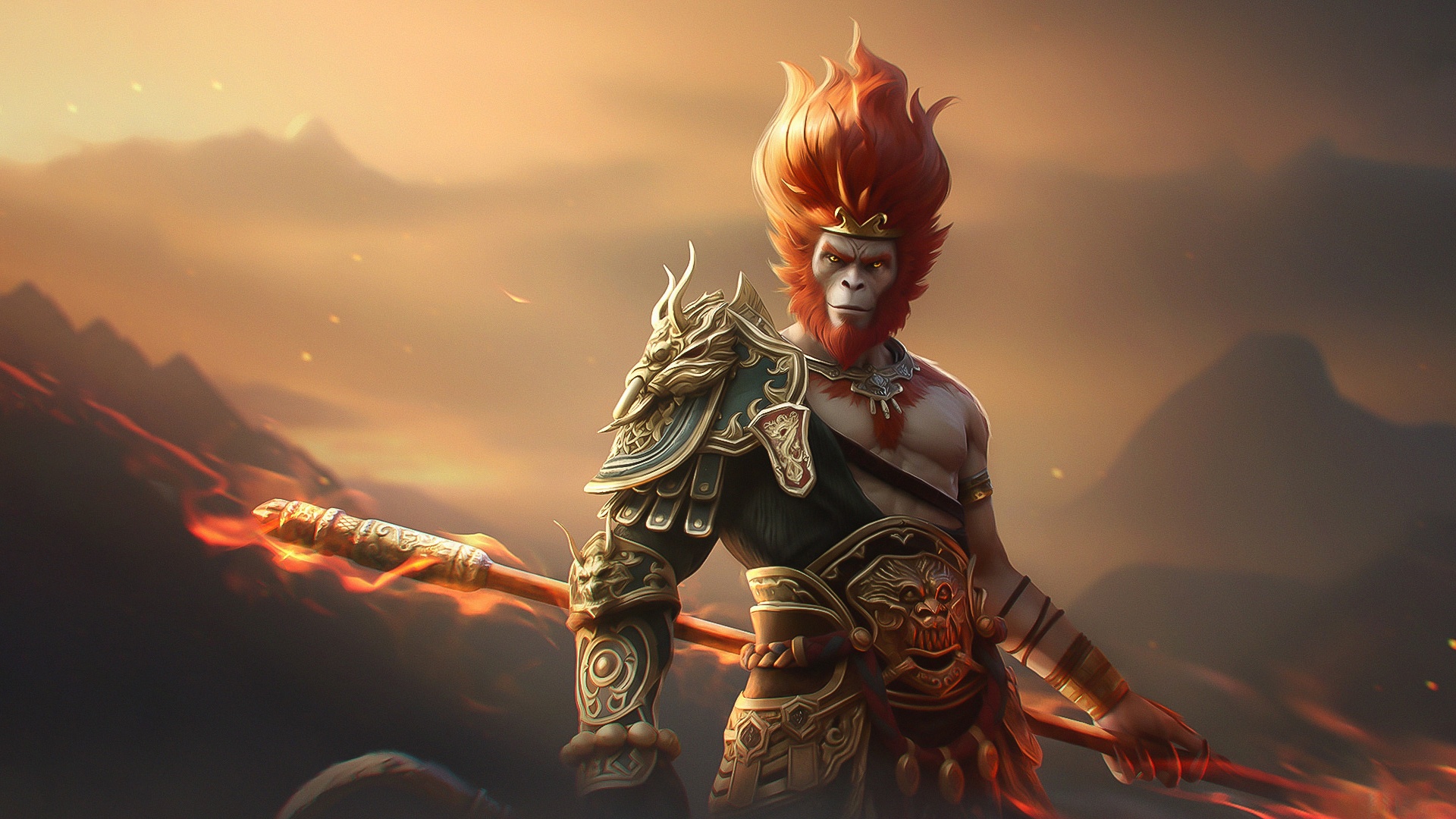
Plarium keeps adding to it, and the most significant change in recent memory is the arrival of the Mythical rarity, which sits above Legendary and gives champions two forms they can switch between mid battle.

The core loop is the same as it has always been. You fight turn based battles, collect and upgrade champions, and farm the resources needed to keep those champions growing. Summoning a strong champion is only the beginning, since a champion is close to useless until you level, ascend, gear, and book them properly.
There is a lot to take in, so this overview covers the game’s most important systems in one place. Along the way you will find links to more detailed guides if you want to go deeper on a specific topic.
1. Enjoy RAID: Shadow Legends on BlueStacks
The game is free to download and you can install it in a few clicks through the BlueStacks App Center or the Play Store. Always stick to official clients from legitimate platforms. Modded or hacked APKs can get your account permanently banned by Plarium, and they put your PC at risk of malware too.
RAID is a game built around repetition. You will run the same dungeon dozens of times, farm the same campaign stage for fodder, and grind Doom Tower floors week after week. That is exactly where playing on PC pays off.

- The Game Controls tool lets you map keys to the actions you use most, so navigating menus and starting runs becomes far quicker.
- The Macro Recorder can automate repetitive sequences like restarting farm runs after your Multi-Battle attempts run dry.
- Multi-Instance is useful if you run more than one account, or want to level a second roster alongside your main.
- Eco Mode keeps resource usage low during long AFK farming sessions.
- High FPS makes the battle animations and champion models look considerably better on a big screen.
Imagine grinding a dungeon after your energy has refilled overnight. Instead of babysitting the screen, a simple macro can handle the repeat runs for you while you get on with something else.
2. Getting Ahead as a Beginner in RAID: Shadow Legends
If you already have a developed account, skip ahead. For everyone else, here is how the early game actually works.

At its core RAID is a collection game. You summon champions using shards, power them up, and use them to clear increasingly difficult content. Everything you need for that powering up process comes from playing the various modes, all of which use the same turn based combat system.
That combat system is easy to pick up but has real depth. Turn order is decided by Speed, affinities work on a rock paper scissors system where Magic beats Spirit, Spirit beats Force, and Force beats Magic, and Void sits outside that triangle with no strengths or weaknesses. Learning to read turn meters and affinity matchups is the single biggest skill jump a new player can make.

For your first few weeks, the priorities are simple:
- Clear the early campaign chapters, which are easy and give you a steady stream of resources.
- Claim your New Player Rewards, Daily Login rewards, and Progress Missions. These hand out shards, silver, and energy for free.
- Focus on getting one champion to six stars and Level 60 instead of spreading resources across many. A single strong farmer will carry your account further than five half built champions.
- Join a clan as soon as you can. Clan Bosses are one of the best sources of shards and books, and you cannot access them alone.
3. The Best Starter and Early Game Champions in RAID: Shadow Legends
Your first real decision is picking a starter champion. You choose one of four: Kael, Athel, Elhain, or Galek. All of them can carry you through the opening chapters, but they do not all age equally well.
Kael is widely considered the strongest of the four because his Poison damage stays useful in Clan Boss fights long after the campaign is done. Athel is a solid second choice with good area damage and Clan Boss value. Elhain is a strong campaign farmer thanks to her area attacks. Galek falls off the fastest and is usually the pick to avoid.

Beyond your starter, several farmable champions are worth going out of your way for in the early game:
- Spirithost from Durham Forest, who removes debuffs and boosts team attack.
- Warmaiden, an excellent Decrease Defense option that makes the whole team hit harder.
- Diabolist, who speeds up allies and manipulates turn meter.
- Valerie from Kaerok Castle, a defensive support with shielding and healing.
There are also low rarity champions worth keeping instead of using as fodder. Armiger, Shieldguard, Outlaw Monk, and Saurus all punch well above their rarity in specific dungeons and Clan Boss setups.
4. Understanding Champion Power in RAID: Shadow Legends
This is where the modern version of RAID differs most from its early years. A champion is no longer just a level and a star rating. There are several layers of progression sitting on top.

- Rarity – Champions come in six rarities: Common, Uncommon, Rare, Epic, Legendary, and Mythical. Mythical is the newest addition and works differently from the rest, giving a champion two forms with separate skill sets that swap during battle. That said, rarity does not decide power. Epic champions like Geomancer and Maneater outperform plenty of Legendaries, which is why our champion tier list ranks by performance rather than rarity.
- Roles – Every champion fills one of four roles: Attack, Defense, Support, or HP. A balanced team usually wants damage, control, and sustain rather than four attackers.
- Ascension – Ascending a champion with potions raises base stats, unlocks or upgrades skills, and opens accessory slots. Potions are farmed from the Keeps.
- Masteries – Mastery scrolls from Minotaur’s Labyrinth unlock a mastery tree for each champion. Giant Slayer and Warmaster are the two that matter most early, since both dramatically increase boss damage.
- Awakening and Blessings – Awakening is done at the Altar of Souls using Souls summoned with Soulstones, and it grants stat boosts across six tiers. Once a champion is Awakened, you can assign a Blessing from one of five Divinities: Light, Dark, War, Chaos, or Harmony. Only one Blessing can be active at a time, so pick based on the content you actually run.
- Faction Unity – Faction leaders carry an extra aura that benefits allies from their own faction, and unlock additional abilities when you field faction allies alongside them.
5. Gear, Artifacts and Accessories in RAID: Shadow Legends
Gear is just as important as the champion wearing it. A perfectly summoned Legendary in bad gear will lose to a well geared Rare.

Champions equip six artifact slots plus accessories unlocked through ascension. Artifacts come in sets, and completing a set grants a bonus, which is why gear is farmed with a specific set in mind rather than picked up at random. Speed and Lifesteal sets are the classic starting point for a new account because survivability and turn order solve most early problems.
Beyond the standard dungeon sets, the game now has gear tied to specific endgame modes. Stoneskin and Protection come from Hydra, Supersonic and Merciless come from the Cursed City, and Mercurial gear and Mythical accessories come from Grim Forest. Sand Devil’s Necropolis and Phantom Shogun Grove exist specifically to farm the materials used for ascending artifacts and accessories.
Stats matter more than set bonuses in most cases. Speed, Critical Rate, Critical Damage, and Accuracy are usually the ones worth chasing, and the substats on a piece often matter more than its main stat.
6. How to Farm Silver, XP and Other Resources in RAID: Shadow Legends
Farming is the backbone of progression. Tier lists mean nothing if you cannot power the champions up. Here is where each resource comes from:
- Silver and XP: Repeat the hardest campaign stage you can comfortably auto battle. Brutal and Nightmare Chapter 12 stages are the standard endgame farm.
- Champion fodder: The same campaign runs. Bring a carry that can solo the stage plus weaker champions to level up and sacrifice.
- Potions: The Arcane, Spirit, Force, Magic, and Void Keeps, matched to the affinity of the champion you are ascending.
- Mastery Scrolls: Minotaur’s Labyrinth, exclusively.
- Gear: Dragon’s Lair, Ice Golem’s Peak, Spider’s Den, and Fire Knight’s Castle, each with its own artifact sets. Hard Mode versions of these dungeons offer better drop rates.
- Awakening materials: Iron Twins Fortress, which drops the Soul Coins and Soul Essence used at the Altar of Souls.
- Shards: Clan Bosses, Doom Tower, events, tournaments, and the market.

A useful habit is to never let your energy sit at full, since energy stops regenerating once it caps. Setting up a macro to burn through farm runs while you are away is one of the easiest ways to avoid wasting it.
7. Game Modes You Should Know in RAID: Shadow Legends
The mode list has grown considerably, and knowing what each one gives you helps you decide where to spend limited energy and keys.

- Campaign: Twelve chapters across Normal, Hard, Brutal, and Nightmare difficulties. Your main source of silver, XP, and fodder.
- Dungeons and Keeps: Gear, potions, and mastery scrolls, as covered above.
- Faction Wars: Each faction has its own Crypt with 21 stages. Clearing them all with three stars unlocks Lydia the Deathsiren.
- Clan Bosses: The daily Demon Lord, the weekly Hydra with its six champion teams, and the Chimera with its four rotating forms.
- Doom Tower: 120 floors and twelve bosses across Normal and Hard, with secret rooms holding champion fragments.
- Cursed City: A month-long challenge across four districts, each with its own team building restrictions.
- Grim Forest: A roguelite style endgame mode with hundreds of stages and paths that reshuffle every 30 days.
- Arena: Three formats. Classic Arena for medals and Great Hall bonuses, Tag Team Arena for gold bars, and Live Arena for real time matches against other players.
- Siege: Clan versus clan, where you place defenses around key structures and coordinate attacks with your clanmates.
Great Hall bonuses earned through Arena apply permanent stat boosts across your whole roster by affinity, which makes Arena worth playing even if PvP is not your main interest.
8. Guides and Tips for RAID: Shadow Legends
To wrap up, here are the guides that go deeper on each topic covered above:
- Combat Guide: The fundamentals of turn order, affinities, and building a composition that beats stronger enemies.
- Champion Tier List: An updated ranking of the strongest champions in the current meta, including the newest Mythicals.
- Gearing Guide: Stats, set bonuses, and how to prioritize upgrades without wasting silver.
- Farming Guide: Where to farm each resource and how to do it efficiently.
- Guide on Acquiring Shards: How to build up a shard stockpile for summoning events.
- Doom Tower Artifact Sets: A breakdown of the gear available in the Doom Tower and who benefits from it.
Getting good at RAID: Shadow Legends comes down to patience and smart resource use rather than luck at the summon portal. Build a focused core of champions, gear them properly, and the rest of the game opens up.
Players can enjoy playing RAID: Shadow Legends on a bigger screen of their PC or Laptop via BlueStacks along with your keyboard and mouse.